
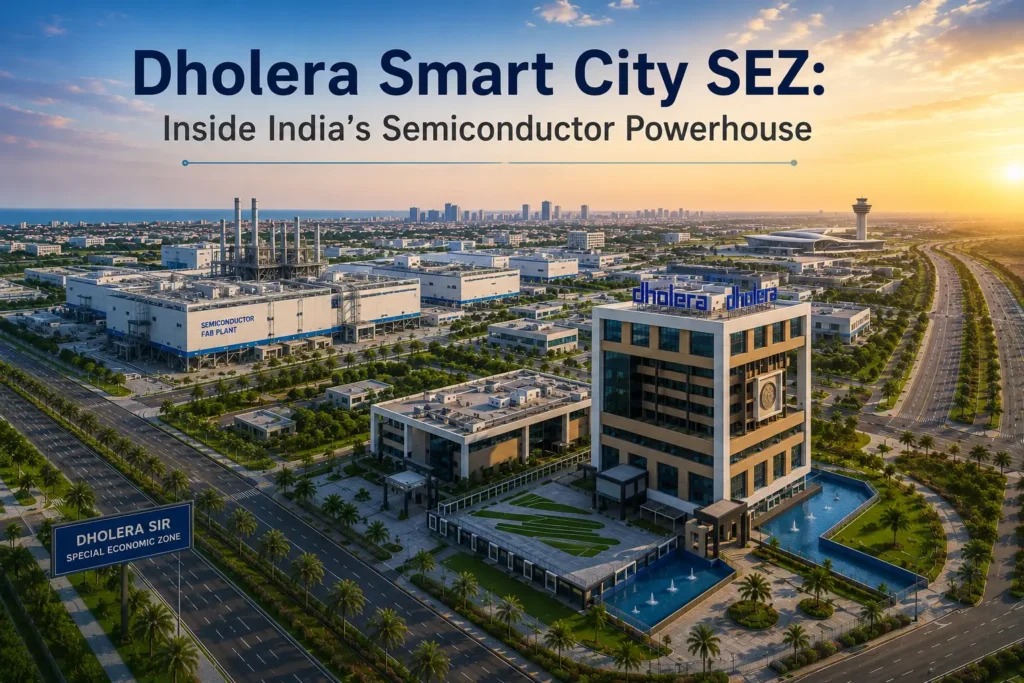
India has spent decades importing the chips that power its phones, cars and computers. That is beginning to change, and a stretch of coastal Gujarat is where the change is most visible. Dholera Smart City, planned from scratch as an industrial and urban region, now hosts a government-notified Special Economic Zone built specifically around semiconductor manufacturing. For investors, industrialists and homebuyers, it is one of the most closely watched stories in the country right now.
What Is the Dholera Smart City SEZ?
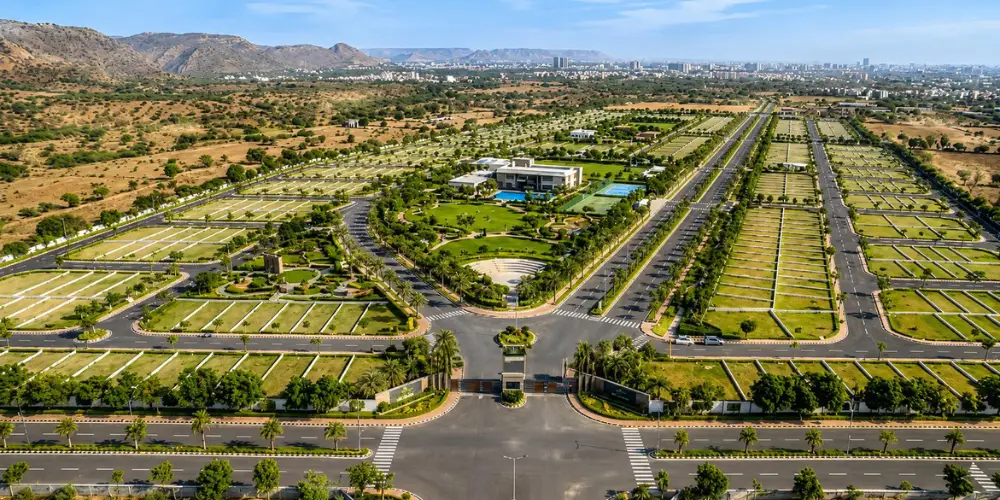
A Special Economic Zone is a defined area where businesses operate under lighter tax and regulatory rules than the rest of the country, usually with a strong export focus. The SEZ inside the Dholera Special Investment Region has been notified with a clear purpose: to host semiconductor fabrication plants, electronics manufacturing units, advanced engineering firms and technology companies.
What separates the Dholera SEZ from an ordinary industrial estate is how it has been assembled. Manufacturers, component suppliers, research institutions and logistics operators are being placed inside one planned ecosystem rather than scattered across a state. That proximity lowers costs, shortens supply chains and makes the whole zone more competitive than the sum of its parts.
Why Semiconductors Changed Everything
Chips have become the raw material of the modern economy. They sit inside electric vehicles, medical devices, defence systems, data centres and every AI application being built today. Countries that manufacture them hold real strategic leverage — which is exactly why India’s semiconductor mission carries so much political weight.
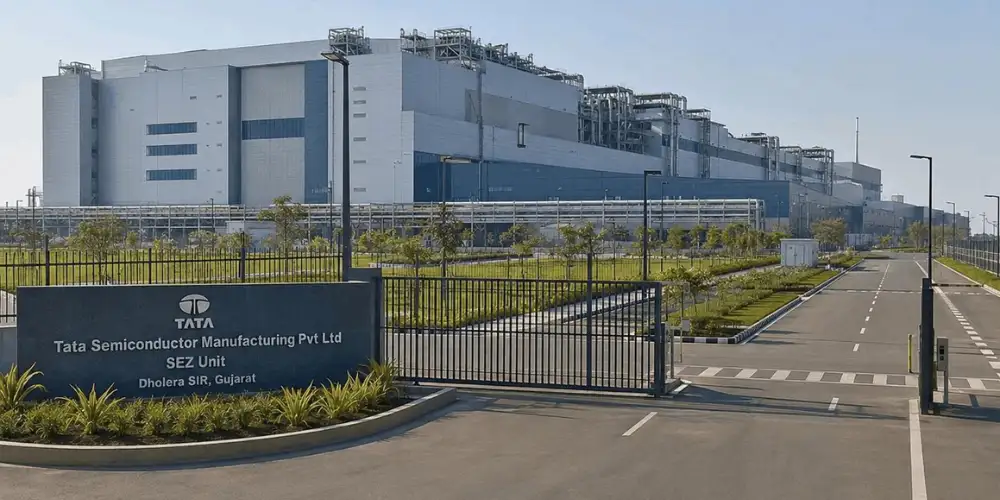
The anchor project here is Tata Electronics’ semiconductor fabrication facility. Anchor tenants matter enormously in this industry. A single fab pulls in chemical suppliers, precision equipment makers, testing and packaging firms, cleanroom specialists and a long tail of service businesses. Wherever fabs have been built globally, this pattern has repeated. The presence of that anchor is the single biggest reason capital is now looking seriously at Dholera rather than at older, more crowded industrial belts.
Infrastructure Is Already on the Ground
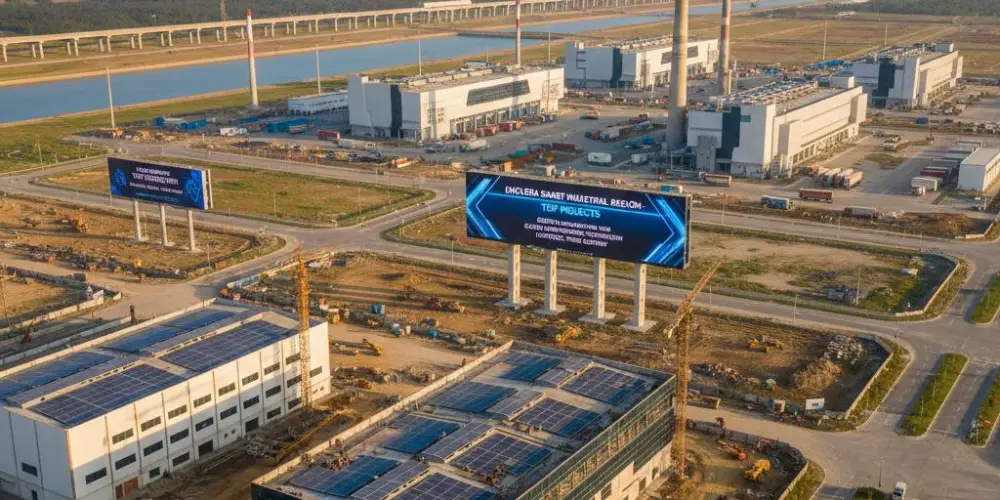
Plenty of Indian projects promise infrastructure. Few build it first. Dholera is one of the exceptions. Here, the sequence has been reversed — roads, utilities and connectivity are being laid before large-scale occupancy, which sharply reduces execution risk for anyone setting up operations.
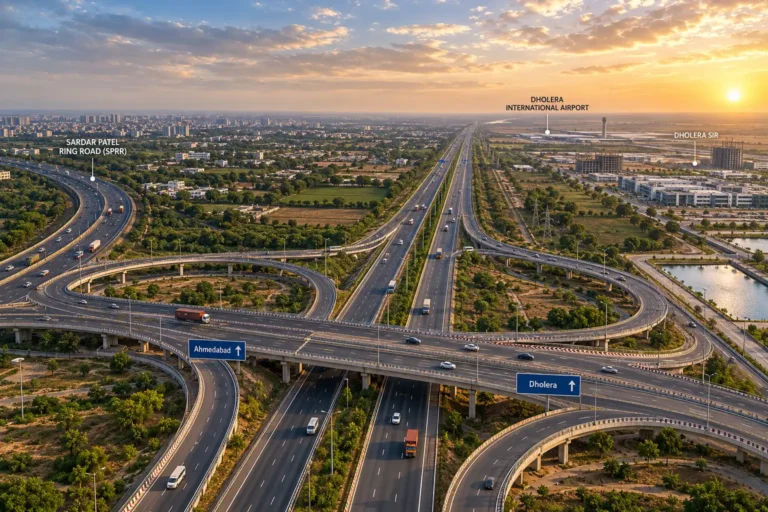
The key pieces include the Dholera International Airport, the Ahmedabad–Dholera Expressway, dedicated freight corridor connectivity for moving goods to ports, and plug-and-play industrial plots where a company can begin construction without waiting on basic services. Underground cabling, ICT-enabled utilities and centralised monitoring form the smart-city layer. Add Gujarat’s port access and its reputation for pro-industry governance, and the location advantage becomes hard to argue with.
Tax and Compliance Benefits for Businesses
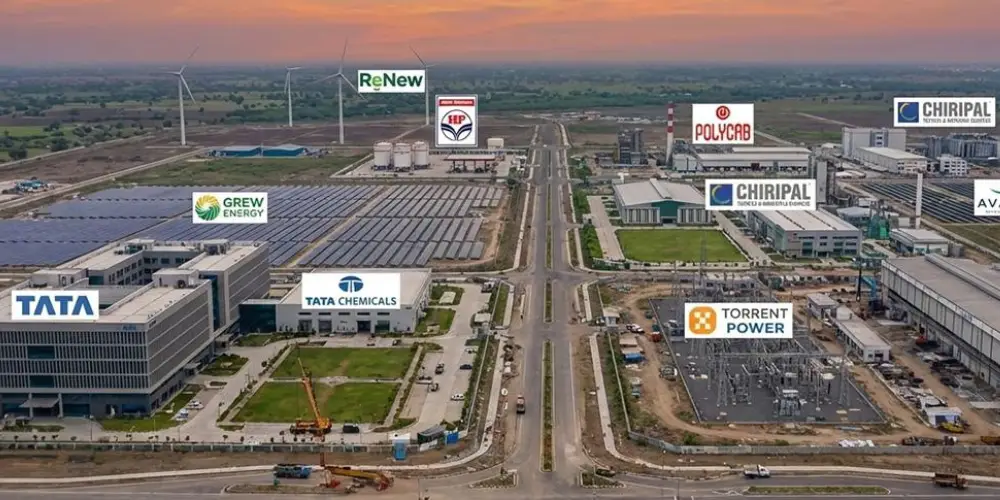
The commercial case rests substantially on the SEZ framework itself. Units operating inside the zone can access income tax exemptions as defined under prevailing SEZ policy phases, duty-free import of raw materials and capital goods, and GST benefits on exports. For a manufacturer importing expensive equipment, those duty savings alone can change project economics.
Equally valuable is the administrative side. A single-window clearance system, digitised governance and pre-approved industrial zones mean faster approvals and fewer bureaucratic delays. Time saved at the setup stage translates directly into earlier revenue. Investors should confirm current entitlements with a qualified advisor, since SEZ benefits are phased and subject to policy revision.
Real Estate: Where the Retail Investor Fits In
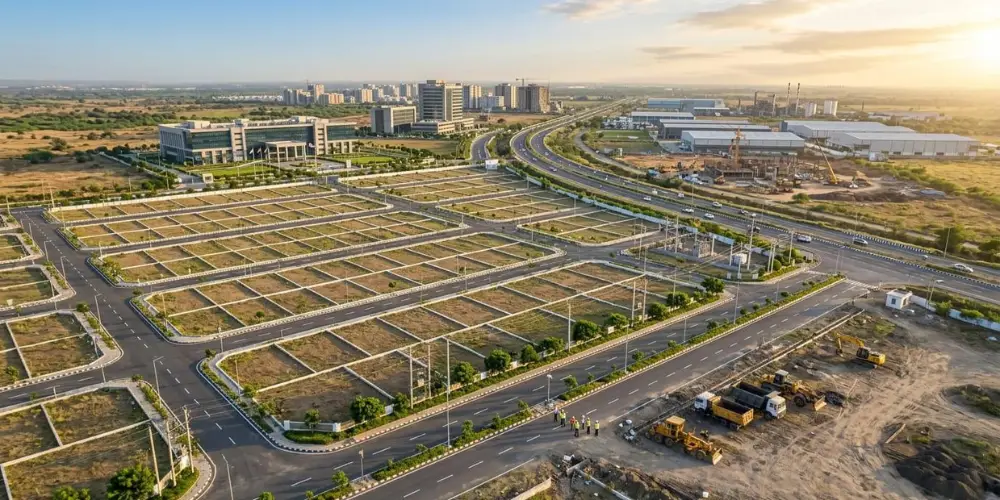
Not everyone can build a factory, but industrial growth creates predictable demand for property. As thousands of engineers, technicians and support staff arrive in Dholera, the region will need residential housing, rental accommodation for the workforce, commercial and retail space, and warehousing near the freight corridor.
The high-growth segments most commonly discussed are residential plotted developments, industrial land parcels and logistics facilities. Early positioning has historically produced the strongest returns in industrial corridors, though land investment carries genuine risks — title verification, approval status, holding period and liquidity all deserve scrutiny before any commitment. Timelines in projects of this scale routinely slip, and returns depend on industrial demand actually materialising.
The Multiplier Effect Beyond the Fab
The fab is the beginning, not the destination. Around a working semiconductor cluster, several things tend to grow at once: a supplier ecosystem of specialised vendors, broader electronics manufacturing for consumer and industrial goods, data centres and technology parks drawn by reliable power and connectivity, and high-skilled employment that raises local incomes and consumption.
That employment effect is what eventually turns an industrial zone into a functioning city, and it is the part of the Dholera plan most likely to shape daily life there. Skilled jobs bring families, and families bring schools, hospitals, retail and services — the layer of activity that sustains a region long after the initial construction phase ends.
Can Dholera Become India’s Most Influential Economic Zone?
It is a fair question, and the honest answer is that the ingredients are present but the outcome is not guaranteed. Sustained policy support, world-class infrastructure, a genuine high-tech anchor and rising investor confidence give the region a stronger foundation than most speculative growth stories, which rest on announcements rather than concrete.
What will decide the Dholera story is execution over the next decade — whether the airport and expressway open on schedule, whether the fab reaches volume production, and whether suppliers actually relocate. Investors who understand both the scale of the opportunity and the length of the timeline are best placed to benefit. Dholera is early-stage, and early-stage means both upside and uncertainty.



One thought on “Dholera Smart City SEZ: Inside India’s Semiconductor Powerhouse”