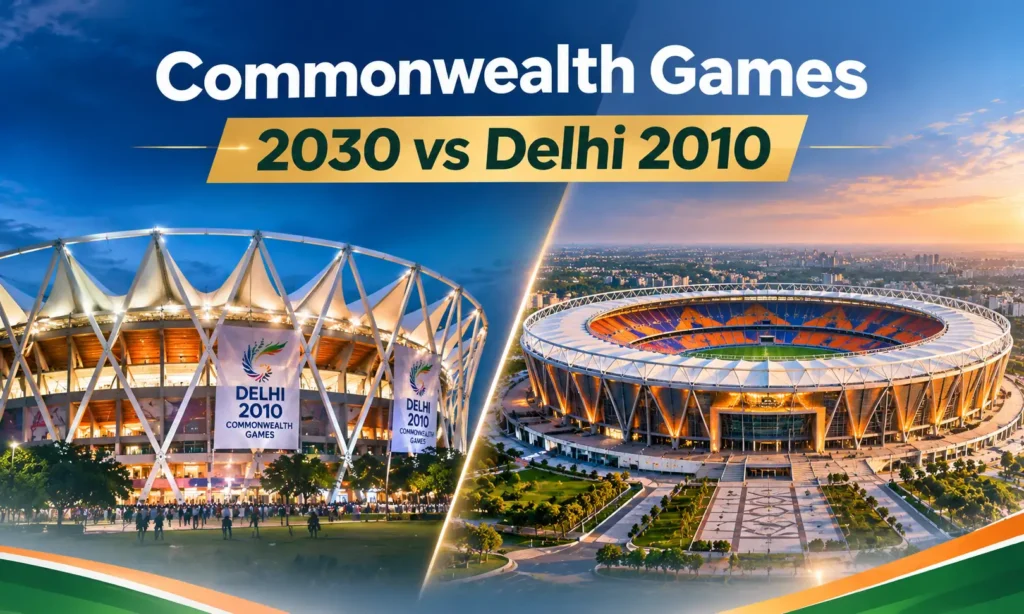
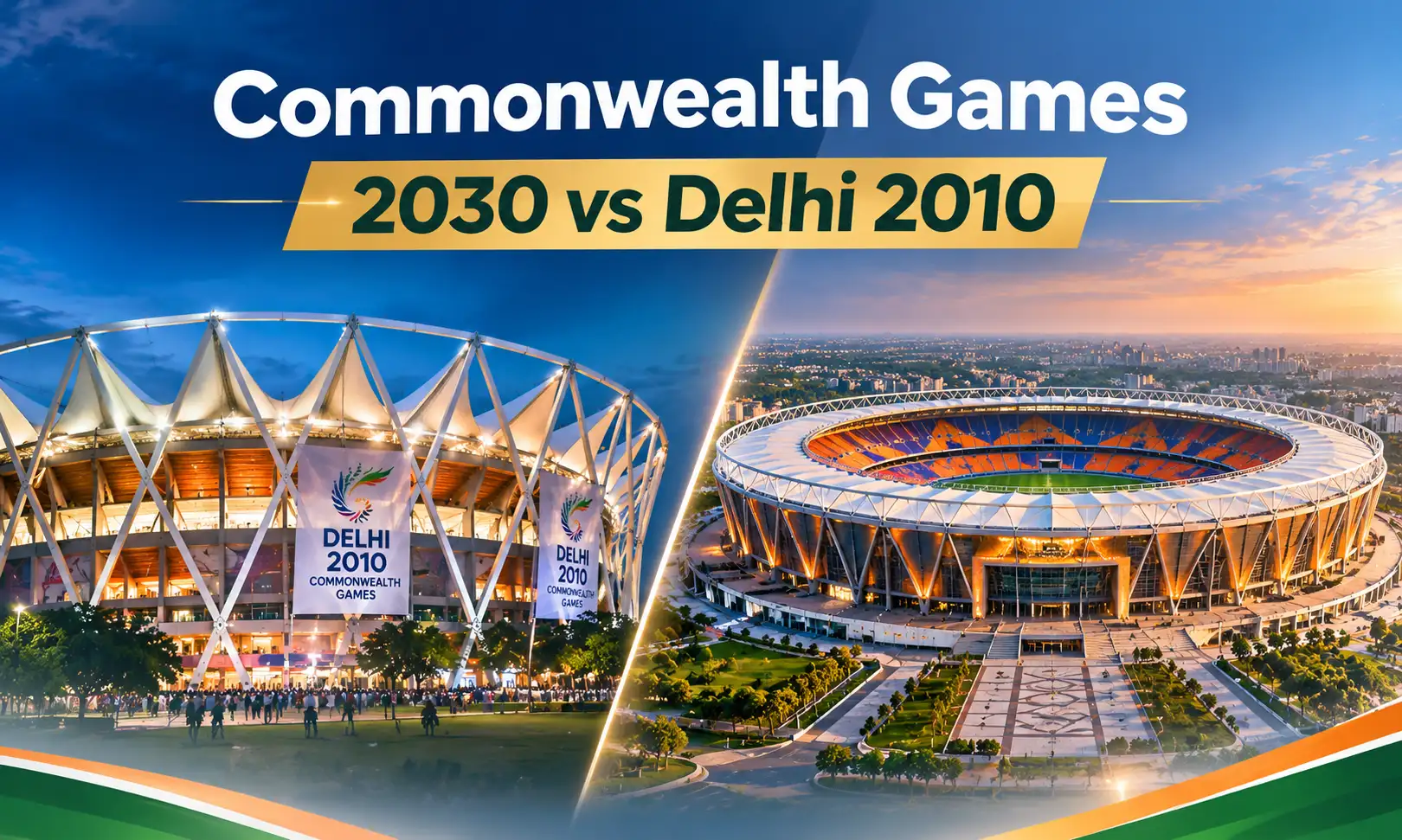
India is getting ready to host the Commonwealth Games for the second time. The first edition came to Delhi in 2010. The next will arrive in Ahmedabad, also known as Amdavad, in October 2030.
The two events are 20 years apart. Delhi 2010 was a large, single-city Games. It delivered India’s best-ever medal haul, but it also left behind a long debate about cost and delays.
Ahmedabad 2030 will be the Centenary Games, marking 100 years since the first Commonwealth Games in Hamilton, Canada, in 1930. It is also being seen as a key step in India’s hope of hosting the 2036 Olympics.
This guide compares Commonwealth Games 2030 vs Delhi 2010 across host cities, sports, venues, budget and legacy. All 2030 details reflect what has been reported up to November 2026, and some of them may still change.
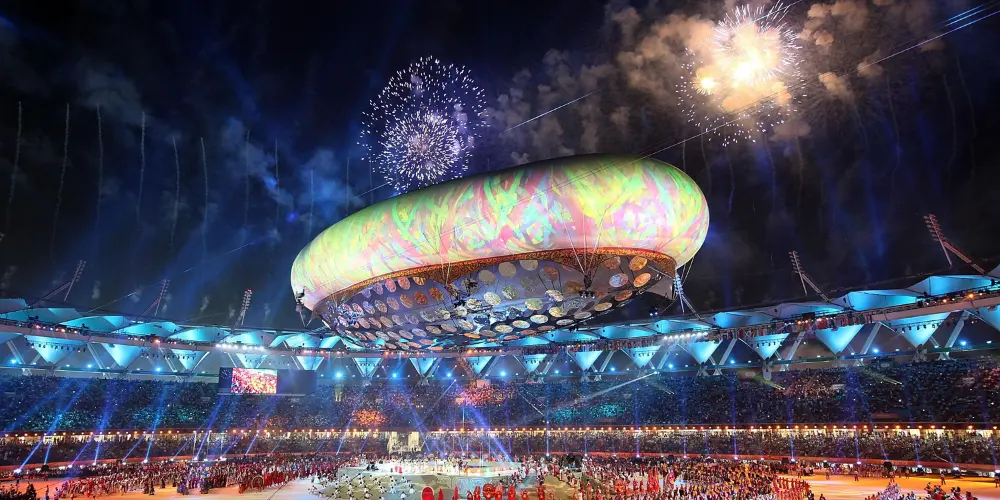
Commonwealth Games 2030 vs Delhi 2010: Quick Comparison
| Factor | Delhi 2010 | Ahmedabad 2030 |
| Edition | XIX Commonwealth Games | XXIV Commonwealth Games (Centenary Games) |
| Dates | 3 to 14 October 2010 | October 2030; exact dates awaited |
| Main host | Delhi | Ahmedabad, Gujarat |
| Teams | 71 nations and territories | 74 Commonwealth members eligible |
| Athletes | 4,352 | Not yet announced |
| Programme | 272 events across 21 disciplines | 15 to 17 sports expected |
| Main stadium | Jawaharlal Nehru Stadium | Narendra Modi Stadium for ceremonies |
| Budget | Disputed; reported figures vary widely | No total budget announced yet |
| India’s result | 101 medals, 2nd place | Yet to be played |
The biggest difference is simple. We can judge Delhi 2010 on its results, while Ahmedabad 2030 can only be judged on its plans so far.
Host City: Delhi vs Ahmedabad
Delhi hosted India’s first Commonwealth Games from 3 to 14 October 2010. It was only the second time the Games had been held in Asia, after Kuala Lumpur in 1998.
The event was the largest edition up to that point, with 4,352 athletes taking part.
Ahmedabad’s journey began much later. Commonwealth Sport confirmed the city as host on 26 November 2025 at its General Assembly in Glasgow. India’s bid was chosen ahead of Abuja, Nigeria.
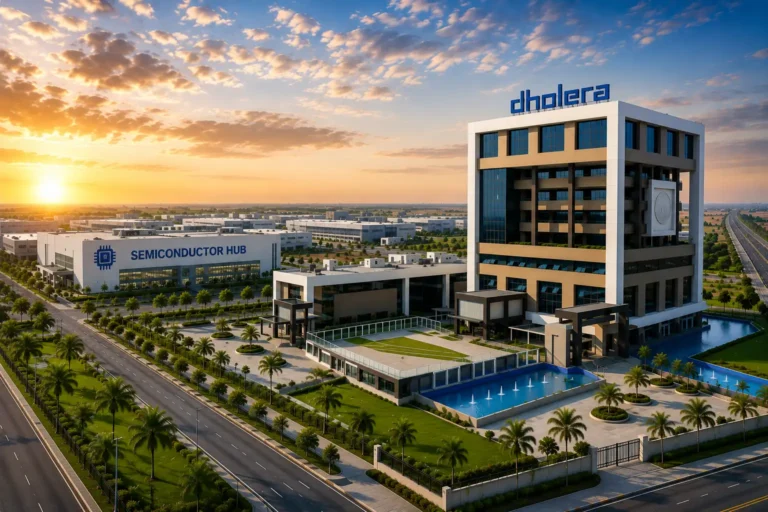
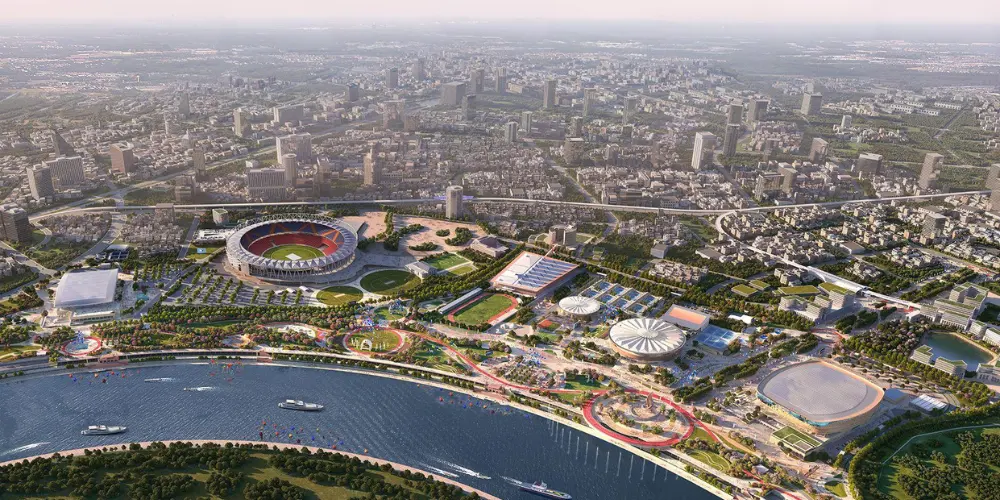
The 2030 Games will be the third held in Asia and the second in India. Unlike Delhi 2010, they are expected to spread beyond one city. Ahmedabad will be the main centre, while Gandhinagar and Vadodara have also been linked to possible venues.
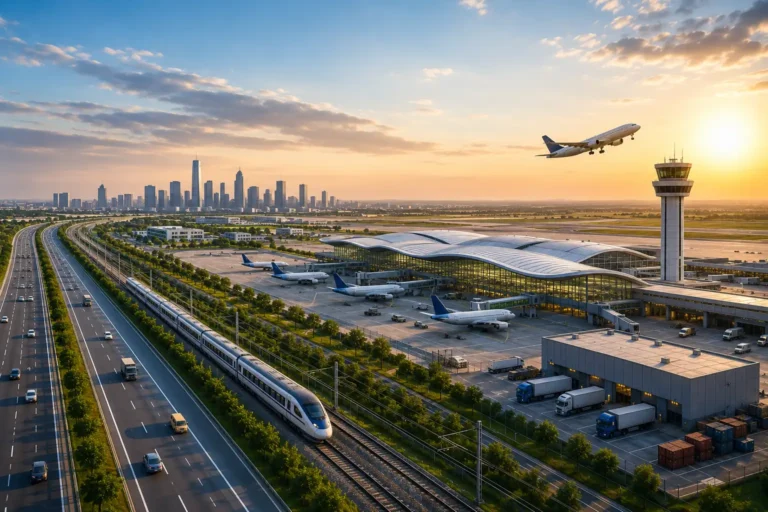
Ahmedabad’s plan highlights integrated transport, modern accommodation and venues clustered close together to reduce travel. That is a useful contrast with Delhi, where a dedicated elevated road had to be built to connect the Games Village with the main stadium.
Sports Programme: What Has Changed
Delhi 2010 featured 272 medal events across 21 disciplines. Archery, tennis and wrestling returned after missing the 2006 Games, while cricket and triathlon were left out.
The 2030 programme is not final. Commonwealth Sport has confirmed these core sports:
- Athletics and para athletics
- Swimming and para swimming
- Table tennis and para table tennis
- Bowls and para bowls
- Weightlifting and para powerlifting
- Artistic gymnastics
- Netball
- Boxing
Further sports will come from an optional list. It includes archery, badminton, 3×3 basketball, beach volleyball, T20 cricket, cycling, diving, hockey, judo, rhythmic gymnastics, rugby sevens, shooting, squash, triathlon and wrestling. The host can also propose up to two additional sports.
Commonwealth Sport says Ahmedabad will likely have 15 to 17 sports. That is a clear increase from Glasgow 2026, which had only 10 sports and dropped hockey, wrestling and cricket.
For India, the final list matters a great deal. Shooting and wrestling were central to India’s 2010 success, yet both are still on the optional list. Cricket, which was absent in Delhi, could join the programme in Ahmedabad.
Venues and Infrastructure
Delhi used 12 competition venues and 20 training venues. Five of the competition venues were newly built, including the Thyagaraj Sports Complex and the Yamuna Sports Complex. Jawaharlal Nehru Stadium, the main venue, was substantially renovated and seated about 60,000 people.
The Games Village covered 63.5 hectares on the east bank of the Yamuna. The city also saw wider upgrades:
- Delhi Metro’s second phase took the network to 125 km.
- Indira Gandhi International Airport gained a new terminal and a third runway.
- More than 3,500 low-floor buses were added.
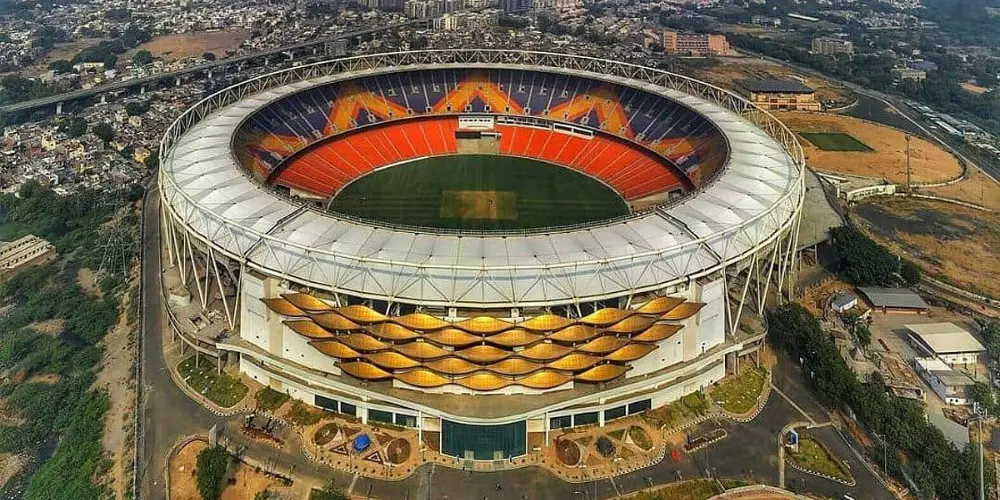
Ahmedabad’s plan centres on the Sardar Vallabhbhai Patel Sports Enclave, a 335-acre site. It already includes Narendra Modi Stadium, which can hold more than one lakh spectators. Planned facilities at the enclave include:
- A 12,000-seat aquatics centre
- An 18,000-capacity multipurpose arena
- A tennis complex
- A National Institute for Sports Excellence
Karai, near Gandhinagar, is set to get a 50,000-capacity athletics stadium and a shooting centre for 4,000 spectators. Reported targets put the athletics stadium at September 2028 and the other key venues during 2029.
This timeline may prove to be the key difference. Delhi’s preparation suffered from serious delays, and a 2009 government report found two-thirds of venues were not ready. The work was finished in time, but the rush became one of the event’s defining stories. If Ahmedabad keeps to its schedule, key venues will be ready about a year before the Games.
Budget and Funding
Cost is the most sensitive part of any comparison with Delhi 2010, and there is no single agreed figure.
Reported totals vary because each one counts different things. Some cover only Games spending, while others include wider city infrastructure. Here is what has been reported:
- Business Standard reported about ₹11,687 crore in October 2010.
- Later reports citing the CAG, India’s national auditor, put it at more than ₹18,000 crore, and at least one cited ₹28,054 crore.
- Some wider estimates, which include non-sports infrastructure, reach about ₹70,000 crore.
Either way, the overrun was very large, as early estimates were far lower. The audit also criticised unrealistic budgets, late planning and rushed contracts.
For Ahmedabad 2030, no total budget has been announced. Only some pieces of the funding are public so far:
- Central grant: The Union Sports Ministry has committed up to ₹2,000 crore at 2025 prices. This could reach about ₹2,500 crore by 2030 after inflation adjustment.
- State allocation: Gujarat has set aside ₹301 crore for preparations, including ₹200 crore for the host fee.
- Delivery: The state has formed an organising company to oversee preparation and delivery.
These figures are not the full cost of the Games, so they should not be compared directly with Delhi’s totals.
The real test will come once the full 2030 budget is public and spending can be tracked against it.
India’s Medals and the Legacy Question
On the field, Delhi 2010 was a triumph for India. The hosts won 101 medals, made up of 38 gold, 27 silver and 36 bronze. They finished second, behind Australia, and it remains India’s best Commonwealth Games performance.
Two sports did much of the work:
- Shooting: 30 medals, including 14 gold
- Wrestling: 19 medals, including 10 gold
Together, they gave India 49 of its 101 medals and 24 of its 38 gold medals. This is why the final 2030 sports list will shape India’s medal hopes so strongly.
Off the field, Delhi’s legacy is mixed. The city gained lasting transport upgrades, but the Games also drew protests over tree felling and building on the Yamuna floodplain. An estimated 100,000 people were displaced during city beautification drives. Corruption allegations led to a government probe after the event.
Ahmedabad 2030 carries a different kind of pressure. It is a birthday celebration for the Commonwealth movement and a showcase for India’s 2036 Olympic ambitions. Gujarat Deputy Chief Minister Harsh Sanghavi summed up the mood at the Glasgow handover: “It is a big responsibility, but we are ready.”
If Delhi 2010 showed that India can win big at home, Ahmedabad 2030 must show that it can also plan and deliver well.
FAQs on Commonwealth Games 2030 vs Delhi 2010
The Games will be held in Ahmedabad, Gujarat. Other cities, including Gandhinagar and Vadodara, may host some events.
They are scheduled for October 2030. The exact dates have not yet been confirmed.
Yes. India hosted the Games once before, in Delhi, from 3 to 14 October 2010.
India won 101 medals: 38 gold, 27 silver and 36 bronze. It finished second behind Australia.
The first Commonwealth Games took place in Hamilton, Canada, in 1930. The 2030 edition marks 100 years since then.