
Every city runs on water. Roads, factories and homes get the headlines, but none of them work without a dependable water supply sitting quietly in the background.
That is why the proposed Dholera SIR water reservoir deserves attention. The project carries an estimated cost of ₹438 crore and a planned storage capacity of 220 crore litres.
In this blog, we break down what these numbers mean, why a reservoir of this scale matters for a planned city, and how to read the project correctly at its current stage.
1. The Project at a Glance
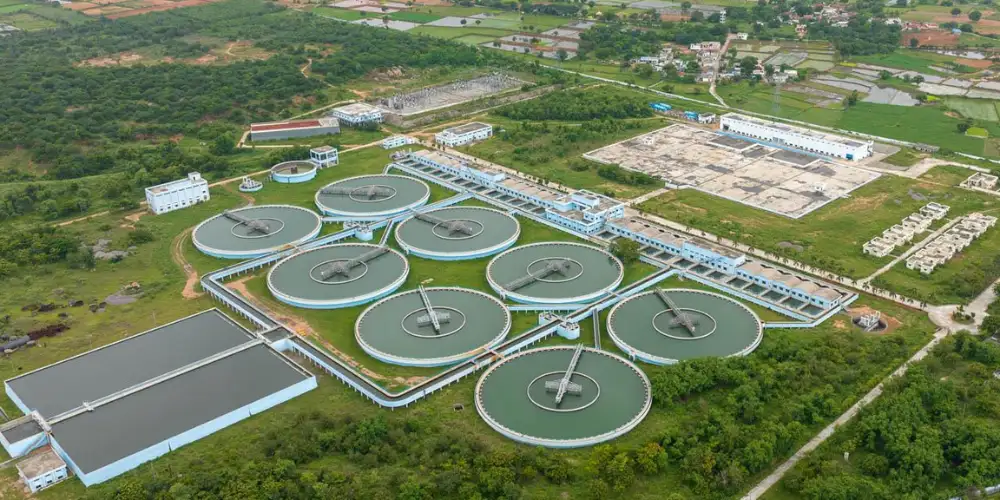
Here are the core details of the proposal:
- Location: Dholera SIR (Special Investment Region)
- Project type: Proposed water reservoir
- Estimated investment: ₹438 crore
- Planned storage capacity: 220 crore litres
These four points tell a clear story. Dholera SIR is not only planning buildings and roads. It is also planning for one of the most basic needs of any settlement: stored, reliable water.
The word to notice here is “proposed.” The reservoir is a planned project, not a completed one. We will come back to why that distinction matters.
2. Making Sense of the Numbers
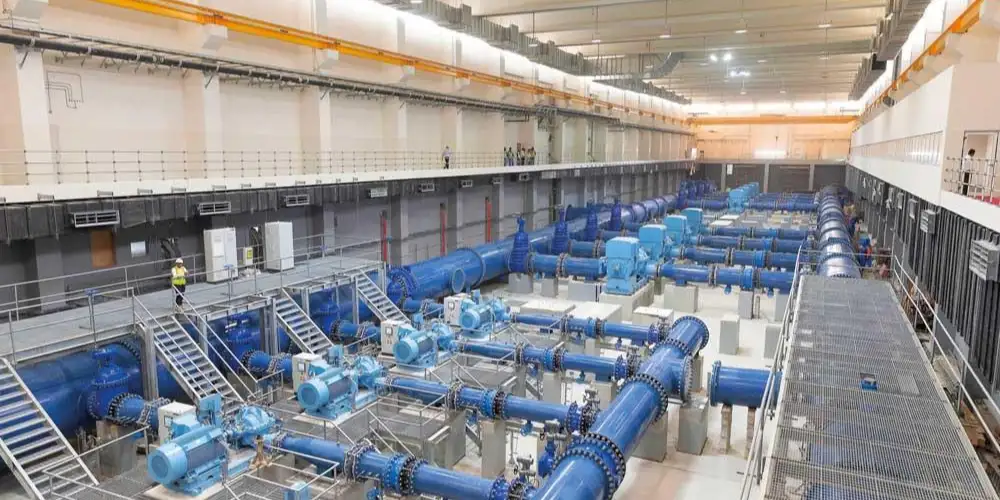
Big figures can be hard to picture. Let’s simplify them.
₹438 Crore in Context
₹438 crore equals ₹4,380 million. An allocation of this size for a single water asset shows that water storage is being treated as core infrastructure, not an afterthought.
In large planned regions, spending on water is usually a long-term decision. It is money set aside for decades of use, not for a single season.
220 Crore Litres in Context
220 crore litres equals 2.2 billion litres, or 2,200 million litres.
To put that in everyday terms:
- A standard 1,000-litre rooftop tank would need to be filled 22 lakh times to match this capacity.
- A typical 20-litre water can would need to be filled 11 crore times.
That is the scale being planned. A reservoir of this size is built to act as a buffer for an entire region, not just a neighbourhood.
Cost Versus Capacity
Dividing the two figures gives a simple ratio. ₹438 crore for 220 crore litres works out to roughly ₹2 per litre of storage capacity created.
This is a one-time infrastructure cost for building storage, not the price of water itself. Once built, the same capacity can be filled and used again and again over many years.
3. Why Water Storage Matters for a Planned City
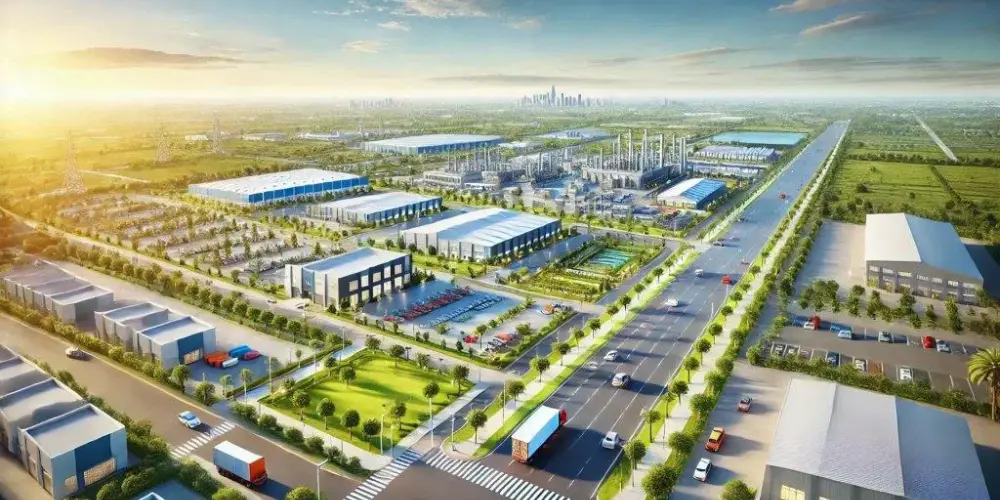
A planned city is designed from the ground up. That gives planners a rare chance to solve problems before they appear.
Water is one of those problems. Many older cities grew first and planned water later. The result is often shortages, tanker dependence and uneven supply.
A dedicated reservoir changes that order. It puts water planning before population growth, not after it.
Storage Creates Stability
Water demand is steady, but water availability is not. Supply can rise and fall across seasons.
A large reservoir smooths out this gap. It stores water when it is available and releases it when it is needed. This makes daily supply far more predictable.
Storage Builds Confidence
People and businesses prefer places where basic services are dependable. Reliable water is near the top of that list.
When storage is planned at scale, it signals that the region is preparing for real, long-term occupancy.
4. How a Reservoir Supports Long-Term Growth
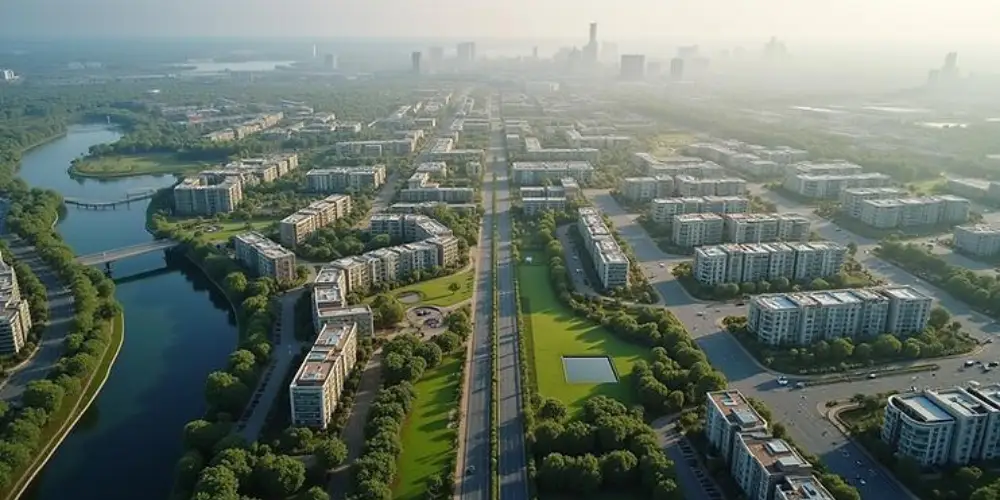
Infrastructure tends to work in layers. Water is one of the foundational layers that other development rests on.
For Homes
Residential areas need continuous supply for drinking, cooking and daily use. Planned storage helps make that possible as more people move in over time.
For Industry
A Special Investment Region is, by design, meant to attract economic activity. Many industrial and commercial operations depend on steady water access.
A reservoir of 220 crore litres gives planners room to support that demand as it grows.
For Public Spaces
Parks, green belts and public utilities also draw on water. Storage at this level allows a city to maintain these spaces instead of letting them dry out.
For Future Expansion
Planned cities are built in phases. Infrastructure that is sized generously at the start reduces the need for emergency fixes later.
5. What This Means for Residents and Investors

For anyone following Dholera SIR, this proposal is a useful signal. Here is a balanced way to look at it.
What It Suggests
- Planning intent: A ₹438 crore commitment shows that basic utilities are part of the development roadmap.
- Scale of vision: 220 crore litres of storage points to planning for a sizeable future population and activity.
- Infrastructure-first thinking: Water is being addressed alongside, not after, other development.
What to Keep in Mind
- The reservoir is proposed, so its delivery depends on approvals and execution.
- Infrastructure announcements are one factor among many. They should not be the only basis for any decision.
- It is always wise to track official updates and verify project status over time.
Good infrastructure news is encouraging. Careful, informed reading of that news is even more valuable.
6. Proposed vs Planned: Reading the Project Correctly
The project details use two important words: “proposed” for the reservoir and “planned” for its capacity.
These words tell us the project is at an early stage. It has a defined budget and a defined capacity target. What comes next is the work of turning that plan into a physical asset.
This is normal for large infrastructure. Most major projects begin as proposals with set figures, then move through design, approval and construction.
Why This Matters to You
Understanding the stage of a project helps set realistic expectations. A proposed reservoir is a statement of direction. A completed reservoir is a working utility.
Both are meaningful, but they are not the same thing. Keeping that difference clear helps you make sense of future updates as they arrive.
7. Key Takeaways
Here is the whole story in a few lines:
- Dholera SIR has a proposed water reservoir worth ₹438 crore.
- The reservoir plans for 220 crore litres (2.2 billion litres) of storage.
- That is roughly ₹2 of investment per litre of storage capacity created.
- Large-scale storage supports homes, industry and public spaces over the long term.
- The project is at the proposal stage, so its progress is worth following.
Water may not be the most visible part of a new city, but it is one of the most important. A reservoir of this size suggests that Dholera SIR is planning for that need from the start.
Frequently Asked Questions
It is a proposed water reservoir planned for Dholera SIR, designed to store water at a large scale for the region.
The project has an estimated cost of ₹438 crore.
The reservoir is planned to store 220 crore litres, which equals 2.2 billion litres.
No. It is currently a proposed project, so its completion depends on future approvals and execution.
Storage keeps water supply steady through the year and supports homes, industry and public spaces as the city grows.