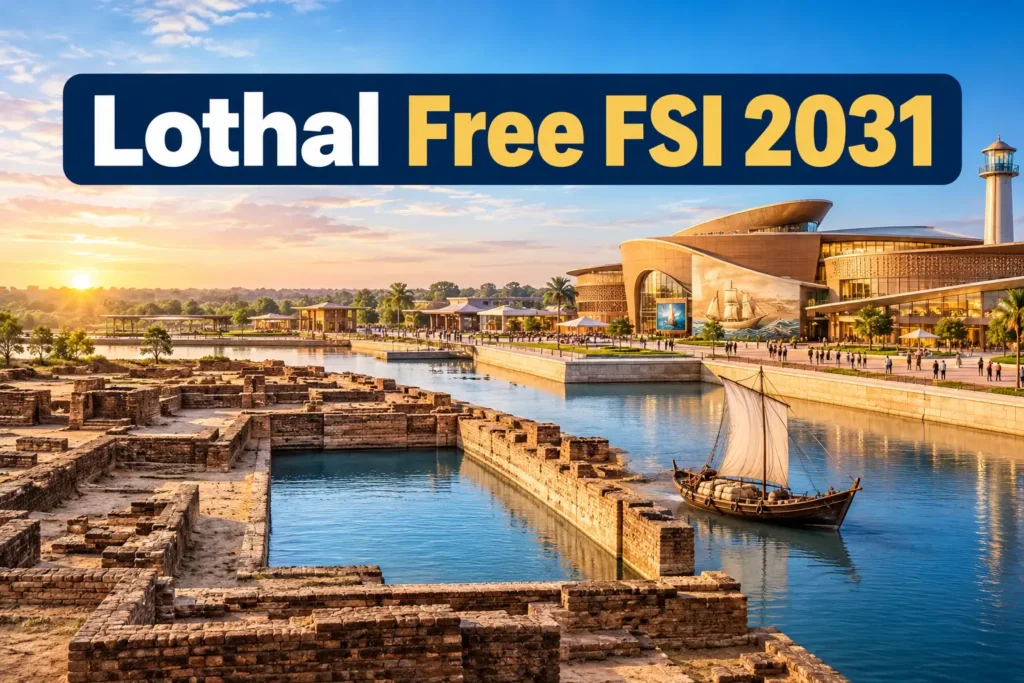
Over four thousand years ago, ships sailed into Lothal carrying beads, copper and cotton. Today, Gujarat is betting that a new kind of traffic will arrive: tourists, hoteliers and investors.
The state has announced a free Floor Space Index (FSI) for five years, valid until 2031, across the Lothal region. The aim is simple. Make it cheaper and easier for private players to build the hotels, resorts and attractions that a world-class heritage destination needs.
Here is what the Lothal free FSI policy means, who it is for, and why it matters.
Why Lothal, and Why Now?
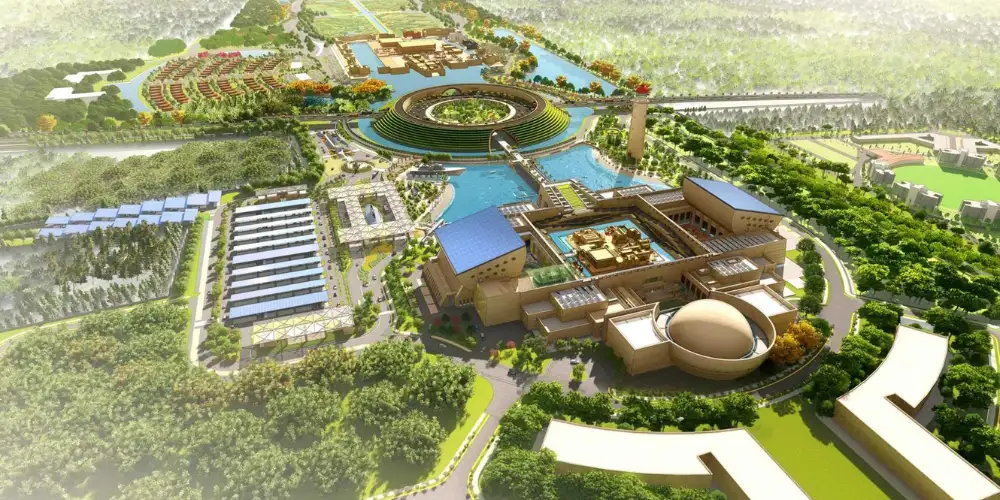
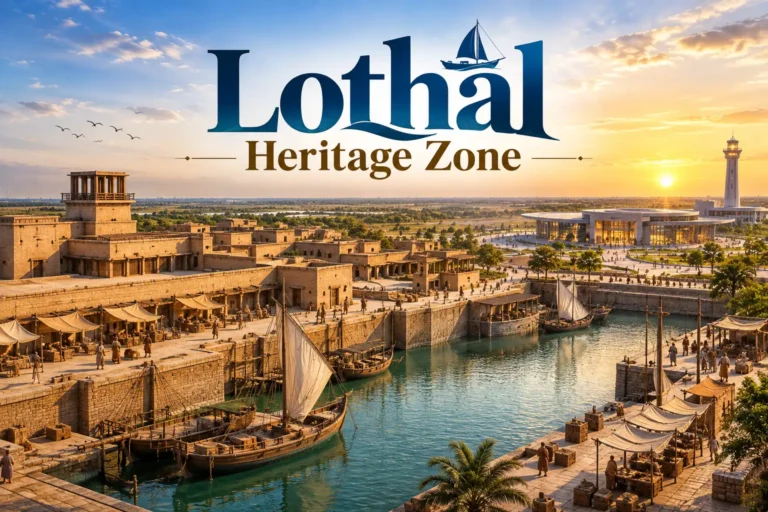
Lothal, in Ahmedabad district’s Dholka taluka, was one of the key cities of the Harappan civilisation. It is best known for what archaeologists consider among the world’s earliest dockyards.
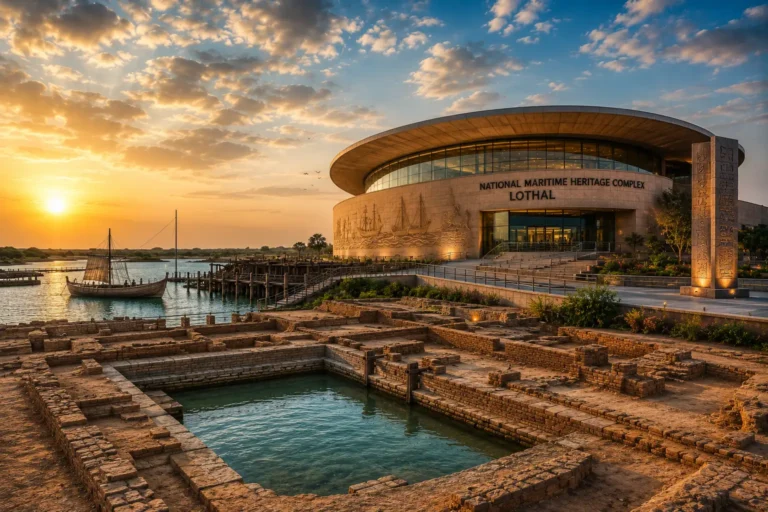
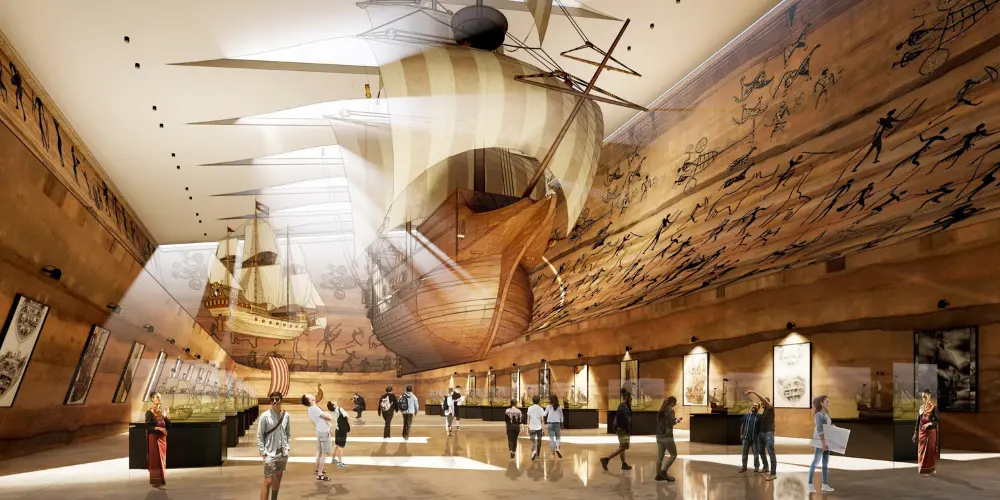
The Centre and the state are developing the National Maritime Heritage Complex (NMHC) at nearby Saragwala village. The project is designed to tell the story of India’s seafaring past through museums, galleries and immersive experiences.
A large heritage complex will draw large crowds. Those visitors need places to stay, eat, shop and spend time. That is the gap the free FSI policy is meant to fill, before the complex opens rather than after.
What Free FSI Actually Means for Builders
FSI decides how much floor area a developer can build on a plot. Normally, extra FSI above the base limit has to be purchased, often at a steep premium.
Under the new policy, that cost goes away for eligible projects in the Lothal area for the next five years. A developer can build more on the same land without paying for the additional floor space.
For hospitality projects, where land and construction costs decide viability, this can change the numbers significantly. A resort that looked marginal on paper may now make financial sense.
The five-year window also adds urgency. Investors who move early get the benefit; those who wait past 2031 may not.
Protecting the Past: Restricted and Buffer Zones
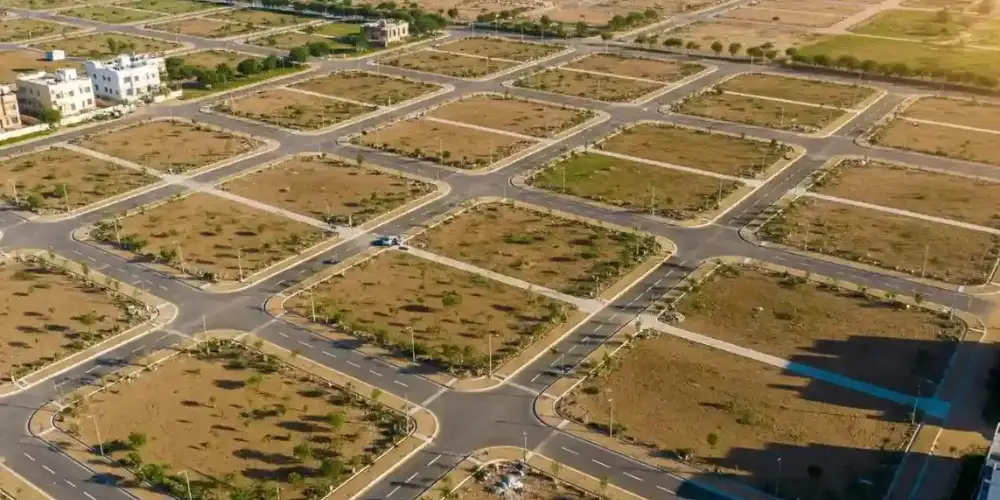
Growth is not allowed everywhere. The government has drawn a clear line around the ancient dockyard itself.
Within a fixed radius of the dockyard, new construction is completely banned. This restricted zone keeps the archaeological site safe from damage and visual clutter.
Around it sits a buffer zone. Building is permitted here, but with height caps and tighter controls on design and use. The idea is to let the area develop without overshadowing the heritage it exists to celebrate.
This layered approach is common at major heritage sites worldwide. It balances economic activity with conservation.
The Hospitality Zone: Where the Big Projects Go
The real action is planned for a dedicated hospitality zone. This is where higher FSI is permitted, making it the most attractive area for large investments.
The plan envisions a wide mix of projects:
- Luxury resorts for premium travellers
- Budget hotels for families and student groups
- Cultural theme parks built around maritime and Harappan history
- Eco-tourism clusters that make use of the surrounding landscape
- Handicraft centres showcasing Gujarat’s artisan traditions
This variety matters. A heritage destination works best when it serves every kind of visitor, from a school trip on a tight budget to a high-end weekend traveller.
Handicraft centres and eco-tourism units also spread the benefits to local communities, not just large hotel chains.
LADA: One Authority for 166.88 sq km
To manage all of this, the state has created the Lothal Area Development Authority (LADA). It covers 166.88 square kilometres around the heritage site.
LADA will handle planning, approvals and development control across the region. Having a single body in charge reduces confusion for investors, who would otherwise deal with multiple local offices.
It also gives the state a way to keep growth orderly. Roads, utilities and zoning can be planned together instead of piece by piece.
What This Means for Investors and Locals
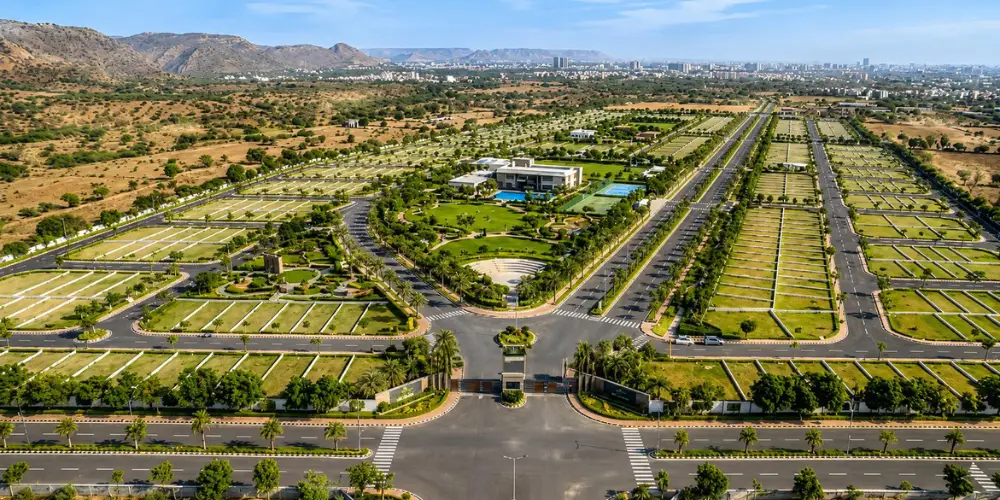
For hotel groups and developers, Lothal now offers lower costs, a clear zoning map and a major attraction under construction next door. That is a rare combination.
For small entrepreneurs, opportunities may open in homestays, food outlets, tour services and craft retail.
For residents of Dholka taluka and nearby villages, the policy could bring jobs in construction, hospitality and tourism services. Better roads and civic infrastructure usually follow investment of this scale.
There are questions to watch too. How strictly will the buffer zone rules be enforced? Will local workers get trained for hospitality jobs? These details will shape how the policy plays out on the ground.
The Road to 2031
Gujarat has done this before with sites like the Statue of Unity, where tourism infrastructure grew quickly around a flagship attraction. Lothal could follow a similar path, with a deeper historical story to tell.
The free FSI offer, the zoning framework and LADA together form a clear plan. If private investment arrives as hoped, Lothal could become one of India’s leading heritage tourism destinations within a decade.
For anyone looking at Gujarat’s tourism sector, the message is clear: the window is open, but only until 2031.
FAQs
Gujarat is waiving the cost of extra Floor Space Index for eligible projects in Lothal for five years, until 2031, to attract tourism and hospitality investment.
Lothal is in Dholka taluka of Ahmedabad district, Gujarat. The National Maritime Heritage Complex is coming up at nearby Saragwala village.
No. New construction is fully banned within a set radius of the dockyard, and the surrounding buffer zone has height and building limits.
Luxury resorts, budget hotels, cultural theme parks, eco-tourism clusters and handicraft centres. This zone allows higher FSI.
The Lothal Area Development Authority plans and regulates development across 166.88 sq km around the heritage site.