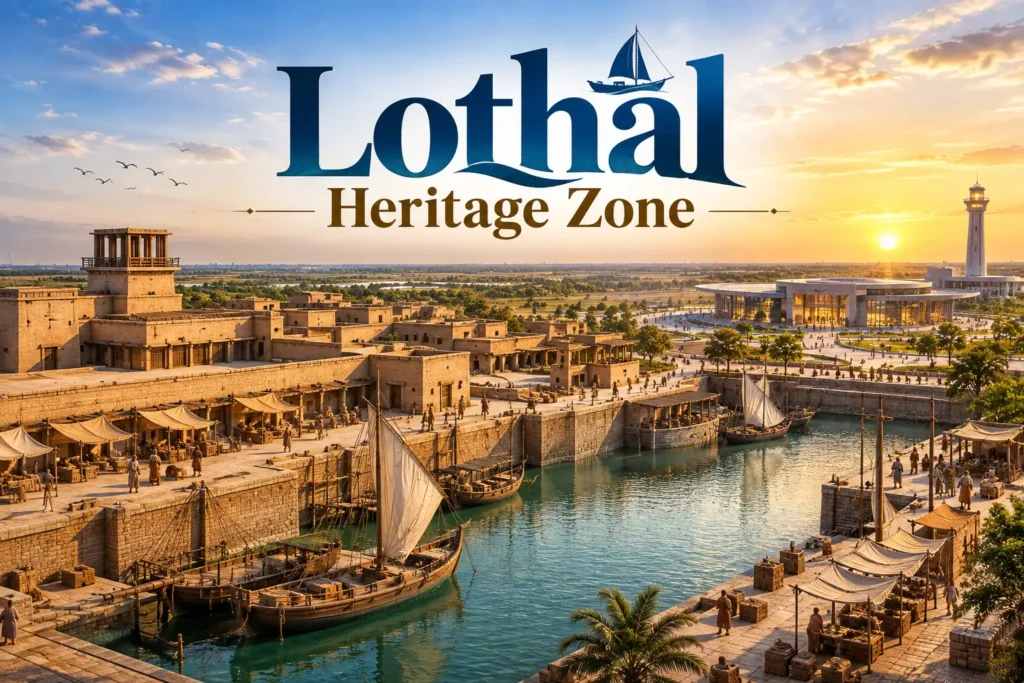
Imagine walking through the streets of a city that thrived over four thousand years ago. You pass bustling warehouses, watch wooden ships resting at a dockyard, and hear stories of traders who sailed to distant lands.
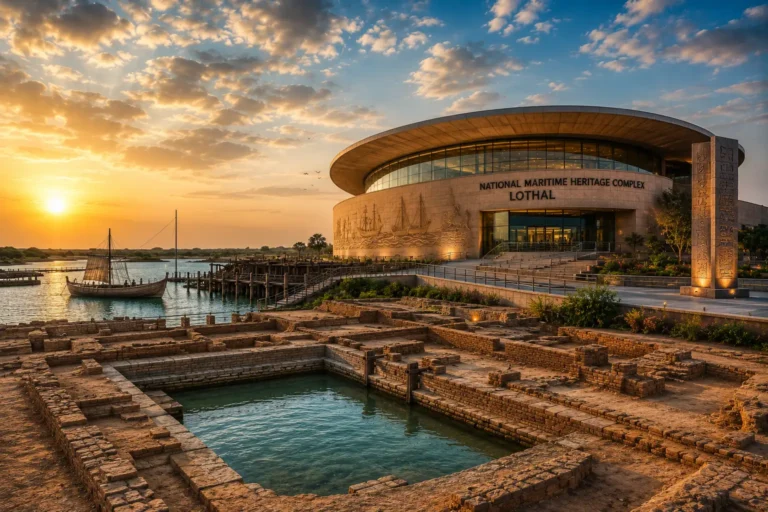
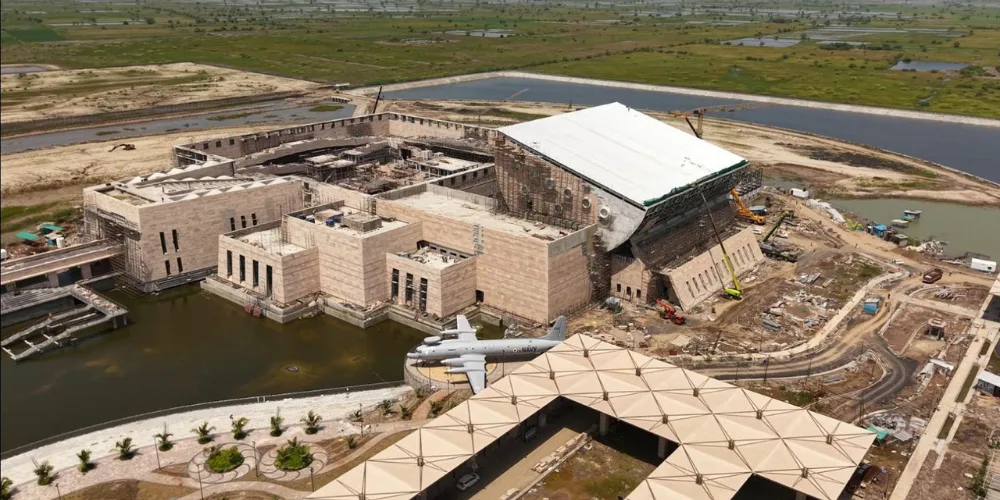
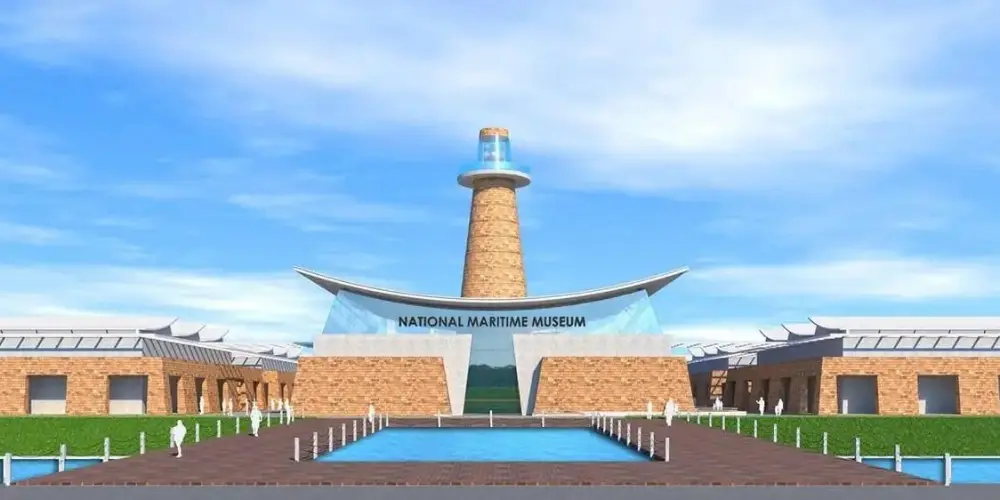
This is the experience the Lothal Heritage Zone promises. Part of the National Maritime Heritage Complex in Gujarat, it is designed to bring India’s seafaring past into the present, blending learning with entertainment.
Why Lothal Deserves a Place in History
Lothal was one of the most important cities of the Indus Valley Civilization. Located in present-day Gujarat, it flourished as a busy port town around 2400 BCE.
What makes Lothal remarkable is its dockyard. Archaeologists consider it among the earliest known tidal docks in the world. Ships from Lothal carried beads, cotton, and other goods to faraway regions, including Mesopotamia.
This single site shows that Indians were skilled engineers, planners, and sailors thousands of years ago. Yet for many people, this story remains largely unknown. The Heritage Zone aims to change that.
The Vision Behind the Heritage Zone
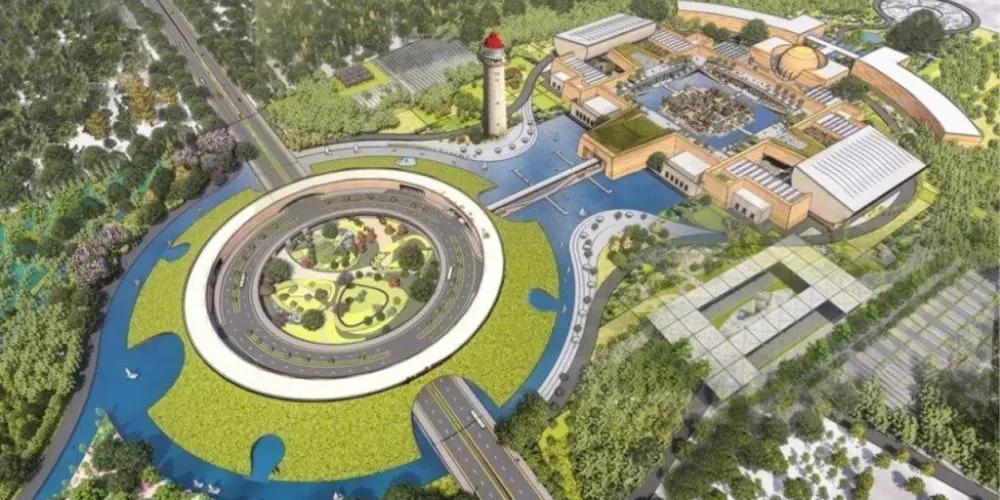
The Heritage Zone has a clear purpose: to educate and entertain visitors at the same time. Rather than presenting history through dusty display cases, it invites people to step inside the past.
Two themes guide the entire zone. The first is the legacy of the Indus Valley Civilization. The second is India’s long and proud maritime tradition.
At its heart sits a recreated Lothal City with its dockyard. Surrounding it, a ring of Coastal States Pavilions will showcase the maritime culture of different regions of India. Together, they form a journey from ancient times to the diverse coastal life of today.
Lothal City: A True-to-Scale Journey Into the Past
The highlight of the zone is Lothal City itself. It is envisioned as a 1:1 scale replica, meaning visitors will experience the ancient city at its actual size.
This recreation is planned to include all the major parts of the original settlement:
- The Acropolis – the elevated section where the city’s ruling or elite class is believed to have lived.
- The Middle Town and Lower Town – residential and working areas that reveal how ordinary people lived, traded, and crafted goods.
- The Dockyard – the engineering marvel that made Lothal famous, complete with ships and waterfront walkways.
- The Warehouses – storage spaces that show how goods were managed in one of history’s earliest trade hubs.
Design renderings show stone-built structures, shaded market stalls made of bamboo and fabric, and wooden sailing vessels docked beside paved promenades. The goal is to make every corner feel authentic, so visitors understand how people actually lived and worked here.
Coastal States Pavilions: India’s Shoreline in One Place
India has a vast coastline stretching across many states and Union Territories. Each region has its own seafaring customs, boat designs, cuisines, and traditions.
The Coastal States Pavilions will celebrate this diversity. These pavilions are to be sponsored by the respective states and themed around their unique architecture, culture, lifestyle, and maritime heritage.
Visitors can expect to discover:
- Ship and boat building traditions unique to each coast, from traditional wooden vessels to regional fishing boats.
- Local food that reflects the flavors of coastal communities.
- Cultural expressions shared through workshops, storytelling, and live entertainment.
Night-time renderings show beautifully lit facades with intricate carved details, lanterns, and lively public squares. It feels less like a museum and more like a festival of India’s coastal identity.
Learning Through Experience, Not Just Exhibits
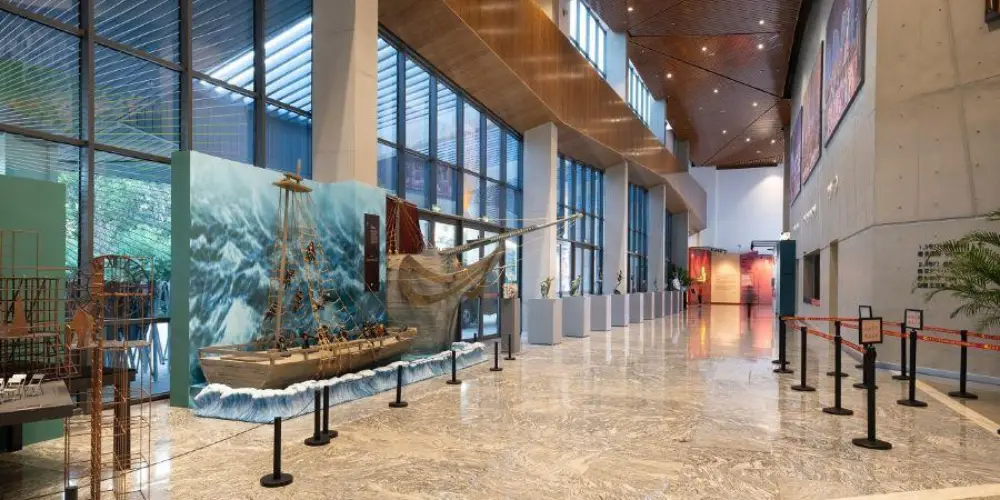
What sets the Lothal Heritage Zone apart is its hands-on approach. Traditional museums often keep history at arm’s length. Here, the idea is to let people walk, touch, watch, and participate.
Students can see how ancient trade functioned. Families can enjoy cultural performances together. History lovers can explore the layout of a Harappan city in full scale.
Workshops in the pavilions can also help keep traditional skills alive. Crafts like boat building, which are slowly fading, may find new appreciation among younger generations.
This approach turns heritage into something living and relatable, rather than something only read about in textbooks.
Why This Project Matters for India
The Heritage Zone is about more than tourism. It helps reclaim an important chapter of India’s identity.
For centuries, India’s maritime achievements have been overshadowed in popular history. Lothal reminds us that Indian sailors and traders were connecting civilizations long before many famous voyages recorded elsewhere.
The project also offers wider benefits. It can boost tourism in Gujarat, create local jobs, and give coastal states a platform to promote their culture. For researchers and educators, it provides an engaging space to share knowledge.
Most importantly, it can inspire pride. When young visitors see what their ancestors built, they gain a deeper connection to their roots.
Planning Your Future Visit
As the National Maritime Heritage Complex continues to take shape, the Heritage Zone is expected to become a major attraction for travelers across India and abroad.
Lothal is located in the Ahmedabad district of Gujarat, making it reachable from Ahmedabad city by road. Since project timelines can change, it is wise to check official updates before planning a trip.
When it opens, set aside plenty of time. Between the ancient city, the dockyard, and the many pavilions, there will be a lot to explore.
Frequently Asked Questions
It is a themed section of the National Maritime Heritage Complex that showcases the Indus Valley Civilization and India’s maritime legacy.
Lothal is in the Ahmedabad district of Gujarat, India.
It is planned as a 1:1 scale replica of the ancient city, including its Acropolis, towns, dockyard, and warehouses.
It was a major Harappan port and has one of the earliest known dockyards in the world.
They are state-sponsored pavilions highlighting the architecture, culture, food, and boat-building traditions of India’s coastal states and Union Territories.