

Dholera has moved from blueprint to build-out. With the Ahmedabad–Dholera expressway, an international airport, and a large semiconductor manufacturing ecosystem anchoring the region, land here is no longer a speculative punt on a government map. For investors thinking in acres rather than square yards, bulk land investment in Dholera has become one of India’s most closely watched plays — and one of the least understood. Here is what actually matters before you write a cheque.
1. Bulk Land Investment in Dholera Is a Different Asset Class Entirely
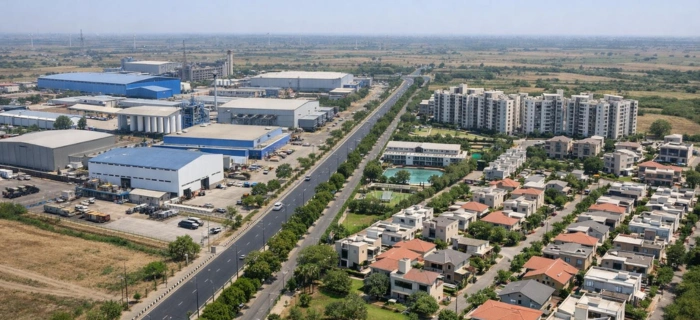
Buying five acres is not “buying a plot, five times over.” Bulk parcels are priced, financed, and exited differently. You negotiate per-acre rates rather than per-square-yard retail rates, which typically means a meaningful discount to listed pricing. But you also absorb different risks: longer holding periods, larger capital lock-in, and the responsibility of verifying a much bigger title chain. The upside is control — over subdivision, over timing, and over who you eventually sell to.
2. Infrastructure Is the Real Price Driver

Land values in Dholera track infrastructure delivery, not marketing campaigns. The expressway shortening the Ahmedabad commute, the airport’s progress, trunk utilities inside the activation area, and the industrial investment landing in the region are the variables to watch. Parcels closest to operational road networks and functioning utility corridors have repriced fastest. Before committing capital, map your target land against what is actually built — not what is announced.
3. Zoning and TP Schemes Decide What You Can Build
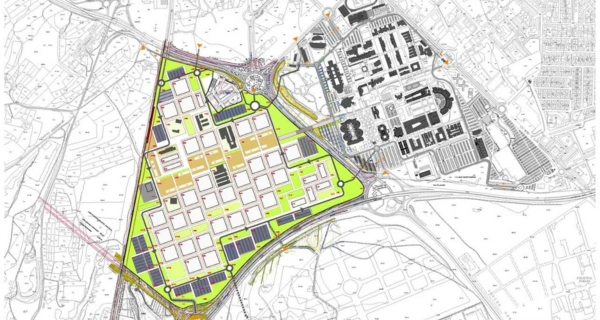
Dholera SIR is governed by a development plan that assigns residential, commercial, industrial, logistics, and knowledge-zone uses. Within that, Town Planning (TP) schemes determine final plot shapes after land pooling and deductions for roads and public infrastructure. A parcel’s zone dictates its buyer pool and therefore its resale value. Industrial-zone land near an activated corridor serves an entirely different market than residential land — and the two do not appreciate on the same timeline.
4. Due Diligence Is Where Deals Are Won or Lost

For bulk transactions, verification should cover the 7/12 and 8-A records, the mutation entry chain, NA status where applicable, encumbrance checks, and the parcel’s exact position within the TP scheme layout. Confirm road access on record, not just on site. Where multiple sellers are involved, ensure all co-owners and heirs have signed. Angel Nova Group insists on a documented title trail and a physical survey before any bulk parcel is presented to an investor.
5. Aggregation Versus Ready Parcels
There are two ways to reach scale. Aggregation means assembling contiguous smaller holdings from several owners — cheaper per acre, but slower and dependent on every seller closing. Ready contiguous parcels cost more but transact cleanly in a single instrument. Institutional buyers and developers overwhelmingly prefer the second, which is why aggregation done properly creates value: you convert a fragmented, unsellable position into a single marketable asset.
6. Plan the Exit Before the Entry
Bulk land offers three realistic exits: resale as a whole parcel to a developer or industrial buyer, subdivision into retail plots for higher aggregate realisation, or a joint development arrangement with a builder. Each has different tax treatment, capital requirements, and timelines. Decide which one you are underwriting at the point of purchase — parcel size, shape, zoning, and frontage should all be selected for that specific exit, not chosen first and rationalised later.
Frequently Asked Questions
Bulk pricing usually begins around one acre, with sharper per-acre rates on larger contiguous parcels.
Generally yes. Bulk parcels trade at a discount to retail plot pricing because the buyer takes on subdivision and marketing effort.
NRIs face restrictions on purchasing agricultural land in India. Non-agricultural and industrial land is treated differently. Confirm your position with a qualified advisor before proceeding.
Most bulk investors underwrite a three-to-seven-year horizon, aligned to infrastructure milestones rather than quarterly movement.
It depends on your exit. Industrial and logistics land follows corporate demand; residential land follows population and employment growth.







2 thoughts on “Bulk Land Investment in Dholera: What Serious Investors Should Know”