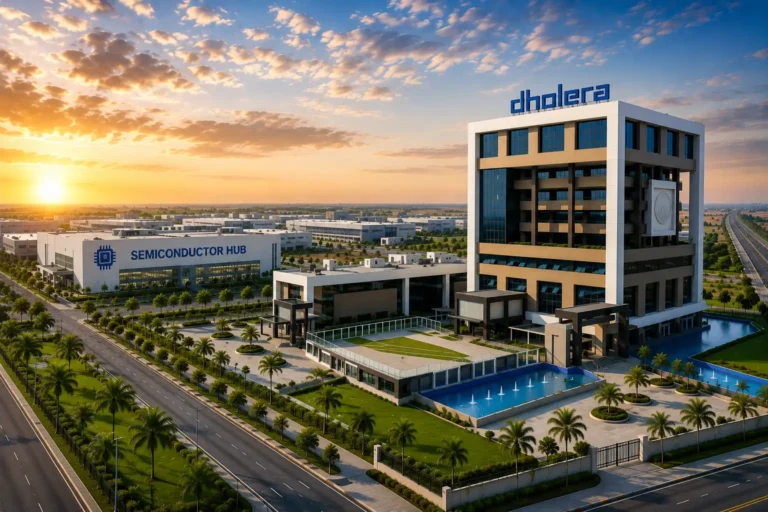

India’s semiconductor dream just got a major logistics boost. Global logistics giant DHL Group has announced a ₹50 crore investment to build India’s first dedicated semiconductor warehouse in Dholera, Gujarat.
The facility will sit close to Tata Electronics’ upcoming chip fabrication plant. Operations are expected to begin by August 2027.
This move signals that India’s chip ecosystem is moving beyond factory announcements. The supporting infrastructure — warehousing, transport and supply chains — is now taking shape too.
What Is the DHL Dholera Semiconductor Warehouse?
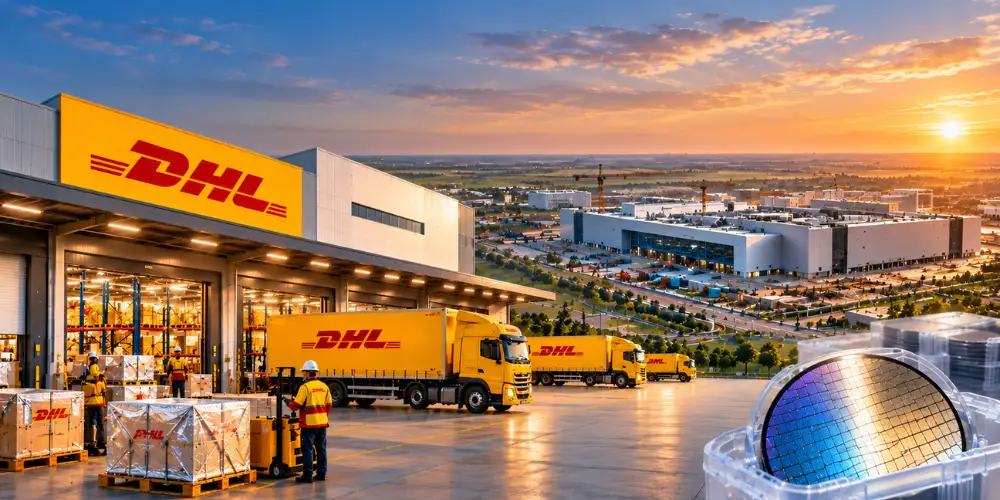
The DHL Dholera semiconductor warehouse is a specialised logistics facility designed to handle the unique needs of chip manufacturing.
Semiconductors are not ordinary cargo. Wafers, chemicals, gases and precision equipment need strict temperature control, humidity management and dust-free handling. Even a tiny vibration or contamination can ruin expensive materials.
DHL’s new hub will be built specifically for these sensitive goods. It will be the company’s first warehouse in India dedicated entirely to the semiconductor industry.
Key Facts at a Glance
| Detail | Information |
| Company | DHL Group |
| Location | Dholera, Gujarat |
| Investment | ₹50 crore (initial) |
| Purpose | Dedicated semiconductor logistics and warehousing |
| Nearby anchor | Tata Electronics chip fab |
| Expected start | August 2027 |
Why DHL Chose Dholera, Gujarat
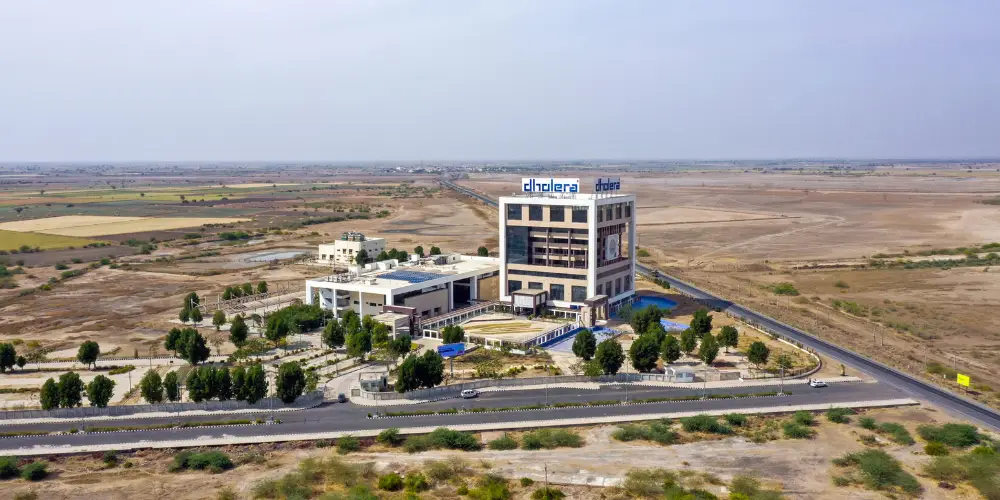
Location is everything in semiconductor logistics. And Dholera is fast becoming India’s chip capital.
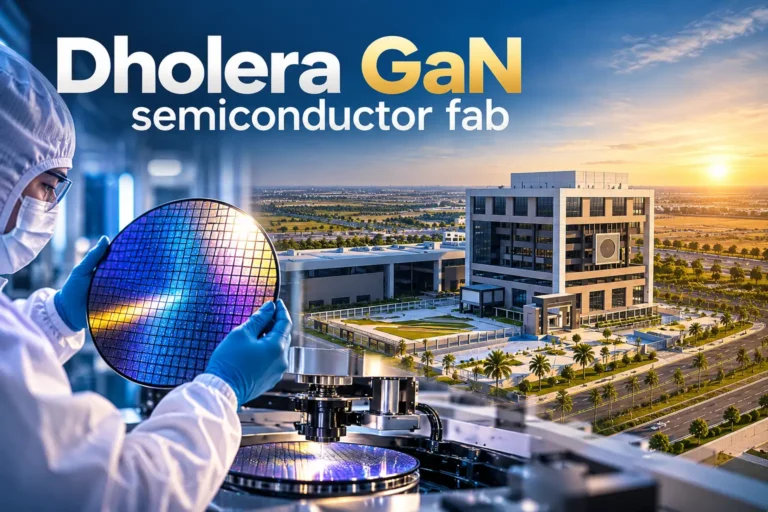
Tata Electronics is building India’s first commercial semiconductor fabrication plant in the Dholera Special Investment Region (SIR). The project carries an investment of over ₹91,000 crore and is being developed with technology support from Taiwan’s Powerchip Semiconductor Manufacturing Corp (PSMC).
The fab is planned to process around 50,000 wafers per month. It will focus on mature technology nodes used in automobiles, consumer electronics, communication devices and AI hardware.
A fab of this size needs a constant, reliable flow of raw materials and spare parts. It also needs a fast way to move finished products out. A warehouse right next door cuts transit time, reduces risk and lowers costs.
Dholera’s Growing Ecosystem
Dholera is not just about one factory. The region is planned as a massive industrial smart city spread over more than 900 square kilometres.
Tata Electronics is also developing a large vendor park near its fab to house hundreds of suppliers. Several Japanese and global semiconductor firms have visited the region to explore opportunities.
DHL’s entry adds a crucial missing piece — world-class logistics.
Part of DHL’s Bigger India Plan
The ₹50 crore Dholera facility is not a standalone bet. It forms part of DHL Group’s larger investment commitment of around ₹10,700 crore (about €1 billion) in India, announced in November 2025.
That broader plan covers new hubs, green logistics, warehousing and digital capabilities across the country.
Reports also suggest that ₹50 crore is only the initial investment. DHL may expand its semiconductor logistics footprint further as the chip industry in Gujarat grows.
Borrowing Expertise from Asia’s Chip Hubs
DHL already supports semiconductor supply chains in established markets like Taiwan and Malaysia. The company plans to bring that experience to India.
This know-how matters. Global chipmakers expect logistics partners who understand cleanroom standards, customs complexity and just-in-time delivery. DHL’s global track record could make India more attractive to foreign suppliers.
Why Semiconductor Logistics Is So Specialised
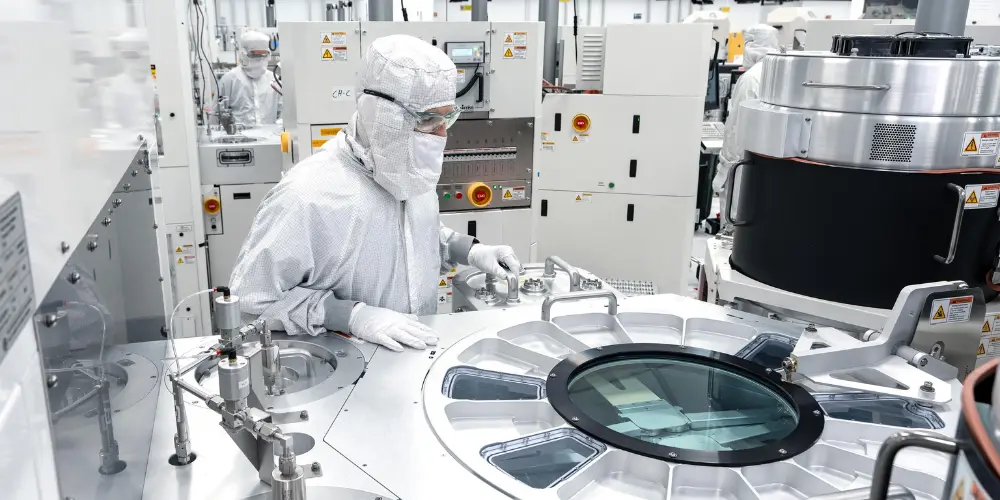
Many people think of chip-making as a factory story. In reality, it is equally a supply chain story.
A single chip passes through hundreds of steps and often crosses several countries before reaching a phone or car. Every link in that chain must work perfectly.
Special Requirements for Chip Logistics
- Climate control: Wafers and chemicals need stable temperature and humidity.
- Clean handling: Dust and static electricity can damage sensitive components.
- Hazardous materials: Fabs use specialty gases and chemicals that need safe storage.
- Security: High-value goods require tight tracking and protection.
- Speed: Fab downtime is extremely costly, so spare parts must arrive fast.
A dedicated semiconductor warehouse is built around all these needs. That is why DHL’s Dholera facility is being seen as a strategic step, not just a real-estate project.
What This Means for India’s Semiconductor Mission
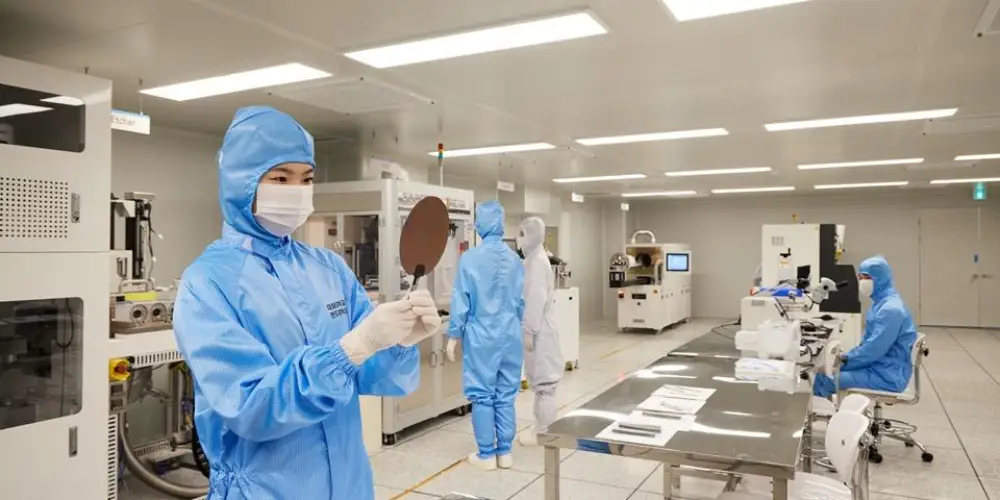
The India Semiconductor Mission aims to make the country a global chip manufacturing hub. The government has offered significant fiscal support to fab and packaging projects.
But factories alone cannot build an industry. An ecosystem needs suppliers, skilled workers, utilities and logistics. DHL’s investment strengthens one of these pillars.
Key Benefits for India
- Stronger supply chains: Local warehousing reduces dependence on long, fragile import routes.
- Faster operations: Materials stored near the fab can reach production lines quickly.
- Investor confidence: A global logistics leader committing capital sends a positive signal to other companies.
- Job creation: The warehouse will create skilled logistics jobs in Gujarat.
- Cluster growth: Logistics hubs often attract more suppliers, helping form a semiconductor cluster around Dholera.
Impact on Gujarat and Local Businesses
Gujarat has positioned itself as a front-runner in India’s electronics and semiconductor push. Alongside Dholera, the state hosts other chip-related projects in Sanand.
DHL’s facility could benefit local transporters, packaging firms, maintenance providers and service businesses. It may also push demand for trained warehouse staff, customs experts and supply chain professionals.
For students and young professionals in Gujarat, this opens new career paths in high-tech logistics — a field that barely existed in India a few years ago.
Challenges Ahead
While the news is exciting, some challenges remain.
Semiconductor fabs take years to stabilise production. The success of DHL’s warehouse will depend on Tata Electronics’ fab meeting its timelines.
India also needs more trained talent for cleanroom and hazardous material handling. Road, port and power infrastructure around Dholera must keep pace with industrial growth.
Still, the August 2027 target aligns well with the expected start of chip production in the region. If both projects stay on track, Dholera could see a strong, connected ecosystem emerge quickly.
Final Thoughts
The DHL Dholera semiconductor warehouse marks an important milestone for India’s chip journey. With a ₹50 crore initial investment, DHL is betting that India’s semiconductor ambitions are real and long-term.
By placing its first dedicated chip logistics hub next to Tata Electronics’ fab, DHL is helping close a critical gap in the supply chain. As more suppliers arrive and production begins, Dholera could soon become the beating heart of India’s semiconductor industry.
For now, all eyes are on August 2027 — when both chips and logistics in Dholera are expected to come alive.
Frequently Asked Questions (FAQs)
DHL Group is making an initial investment of about ₹50 crore in a dedicated semiconductor warehouse in Dholera, Gujarat.
The facility is expected to become operational by August 2027.
It is close to Tata Electronics’ semiconductor fab, India’s first commercial chip fabrication plant, making supply and delivery faster and safer.
Yes. It will be DHL’s first dedicated semiconductor warehouse in India and is being called the country’s first facility of its kind.
Yes. It is part of DHL Group’s roughly ₹10,700 crore (about €1 billion) investment plan for India announced in November 2025.