Gujarat has long been India’s leading maritime state. Its ports handle a large share of the country’s cargo, and its coastline supports industries ranging from petrochemicals to shipbuilding. Now a new chapter is taking shape near the Gulf of Khambhat.
The Government of Gujarat is developing a new deep-sea Bhavnagar Port, planned in connection with the Dholera Special Investment Region (SIR). This project is expected to change how goods move in and out of the region. It could also turn Dholera from a planned smart city into a working gateway for trade.
In this blog, we look at what the Dholera SIR Bhavnagar Port project includes, how it connects to Dholera, and why it matters for the future of Western India.
What Is the Bhavnagar Port Project?
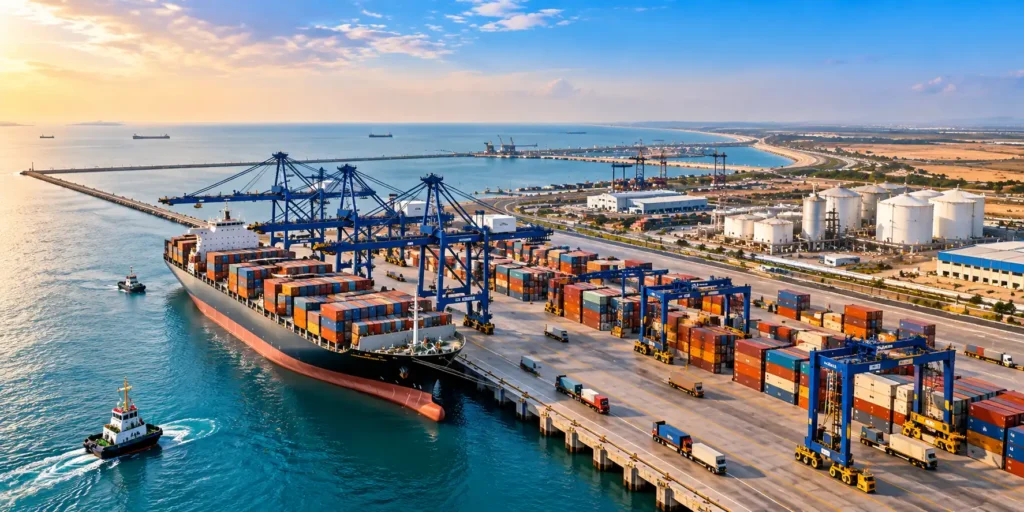
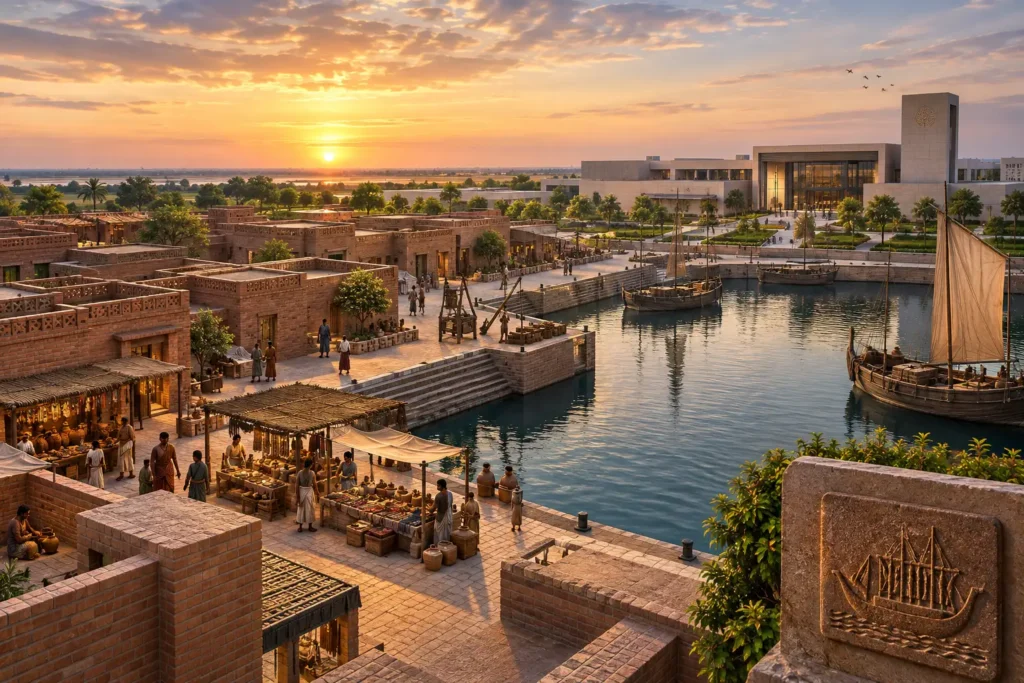
The Bhavnagar port is a new deep-sea port being developed on Gujarat’s coast under the broader Dholera SIR vision. A deep-sea port can handle large, heavy vessels that smaller ports cannot accommodate. That makes it far more useful for international trade.
A key Memorandum of Understanding (MoU) has been signed for developing the bhavnagar port for Dholera. The project will be built in phases. Plans include a modern container terminal along with dedicated connectivity infrastructure that links the bhavnagar port to the Dholera region.
The aim is simple. Give the industries coming up in Dholera direct access to the sea, so they can import raw materials and export finished goods without long, costly road journeys to distant ports.
Key Highlights of the Port Project
Here is a quick look at the main features announced for the project:
- Planned investment: Around ₹3,400–4,500 crore
- Total area: About 580 hectares (roughly 1,200+ acres)
- International terminals: 3 terminals planned
- Bulk cargo terminals: 2 new terminals for import and export
- Liquid cargo facilities: Dedicated handling for chemicals, LNG, LPG and other liquids
- Dedicated connectivity: A 3.4 km dedicated connectivity infrastructure
Together, these features show that the bhavnagar port is being planned as a multi-purpose facility. It is not limited to one type of cargo. Instead, it is designed to serve a wide mix of industries.
How the Port Connects With Dholera SIR

Connectivity is the heart of this project. A port is only as useful as the roads, rail and logistics links behind it.
The project includes a 3.4 km dedicated connectivity corridor as part of its infrastructure. This link is meant to ensure smooth movement of cargo between the port and the trade networks that serve Dholera.
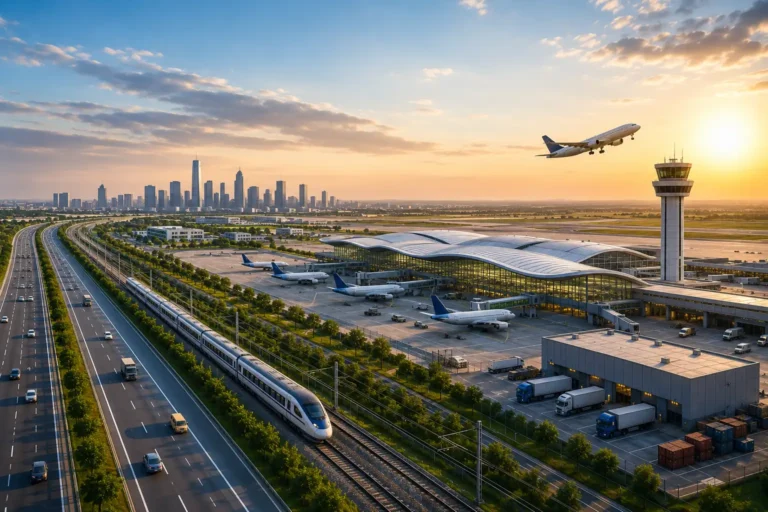
Dholera SIR already sits along major planned transport routes. These include the Ahmedabad–Dholera Expressway, the proposed metro and rail links, and the upcoming Dholera International Airport. When a seaport joins this network, Dholera gains something rare: road, rail, air and sea access within one region.
This kind of multi-modal connectivity is what separates ordinary industrial zones from true gateway hubs.
Facilities for Container, Bulk and Liquid Cargo
The port is being planned with world-class handling facilities for many cargo types:
- Container cargo – for manufactured goods, electronics and consumer products
- Bulk cargo – for coal, minerals, cement and industrial raw materials
- Chemicals and petroleum products – supporting Gujarat’s strong chemical industry
- LNG and LPG – helping meet growing energy demand
- Other liquid cargo – through dedicated storage tanks and pipelines
A modern logistics terminal, storage tanks and advanced handling systems are also part of the plan. The project is designed to meet global standards, so it can serve international shipping lines efficiently.
For industries in Dholera, this means they can plan their supply chains around a nearby port rather than depending only on Mundra, Kandla or Hazira.
Why Dholera Is Being Called the Next ‘Gateway Port’
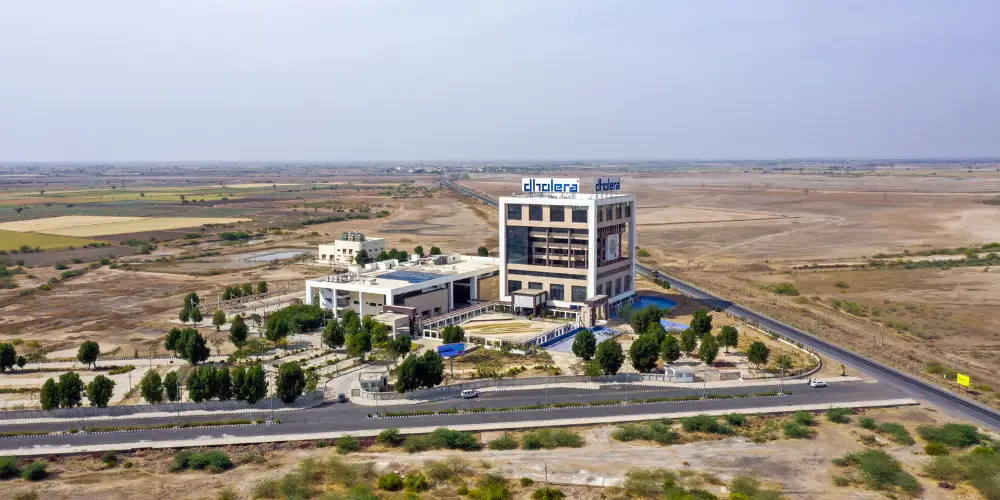
A “gateway port” is a port that acts as a main entry and exit point for trade into a large region. Dholera is gaining that status for several reasons.
1. Lower Logistics Costs
Shipping goods by road over long distances is expensive. A nearby deep-sea port cuts transport time and cost for manufacturers. Lower logistics cost makes Indian products more competitive in global markets.
2. Support for Big Industries
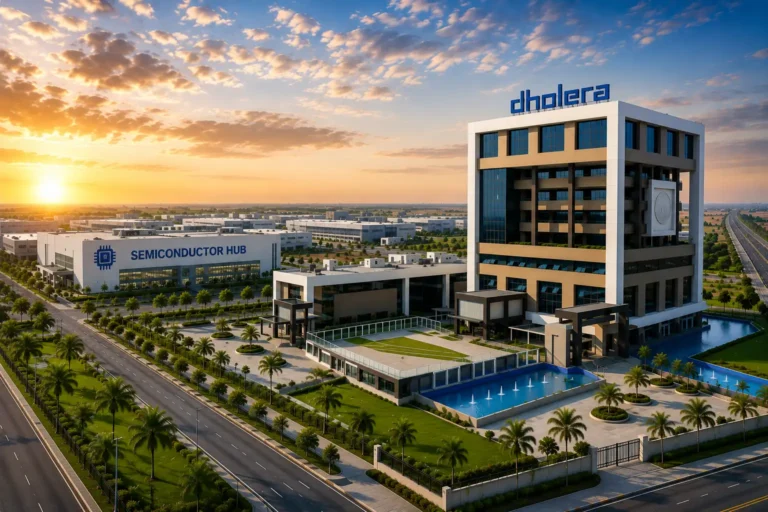
Dholera is already home to India’s first major semiconductor fabrication project, along with plans for electronics, solar, defence and engineering industries. These sectors need reliable import and export routes. A port next door makes Dholera more attractive to them.
3. Job Creation
Ports create jobs directly in operations, handling and logistics. They also create indirect jobs in warehousing, trucking, customs services, repair shops, hotels and retail. The project is expected to generate thousands of employment opportunities in the region.
4. Strategic Coastal Location
Dholera sits close to the Gulf of Khambhat. This gives it natural access to Arabian Sea shipping routes heading to the Middle East, Africa and Europe.
5. Part of a Planned City
Unlike older port towns that grew in an unplanned way, Dholera is a greenfield smart city. Its roads, utilities, zoning and industrial areas are being designed from scratch. A port fits into this plan rather than being added as an afterthought.
How the Bhavnagar Port Supports Dholera’s Smart City Vision
Dholera SIR is one of India’s most ambitious urban projects. It is part of the Delhi–Mumbai Industrial Corridor (DMIC) and is being developed as a planned smart city.
Here is how the bhavnagar port strengthens each pillar of that vision:
- Semiconductor hub: Easier import of equipment and export of chips and electronics
- Industrial growth: Faster movement of raw materials and finished goods
- Global investment: Better infrastructure attracts international companies
- Metro, rail and expressway links: The port becomes one node in a larger transport web
- Coastal shipping: Supports India’s push to move more cargo by sea along the coast
- Vision 2047: Aligns with India’s long-term goal of becoming a developed economy
When all these pieces come together, Dholera begins to look less like a future plan and more like a functioning economic engine.
Impact on Trade and the Regional Economy
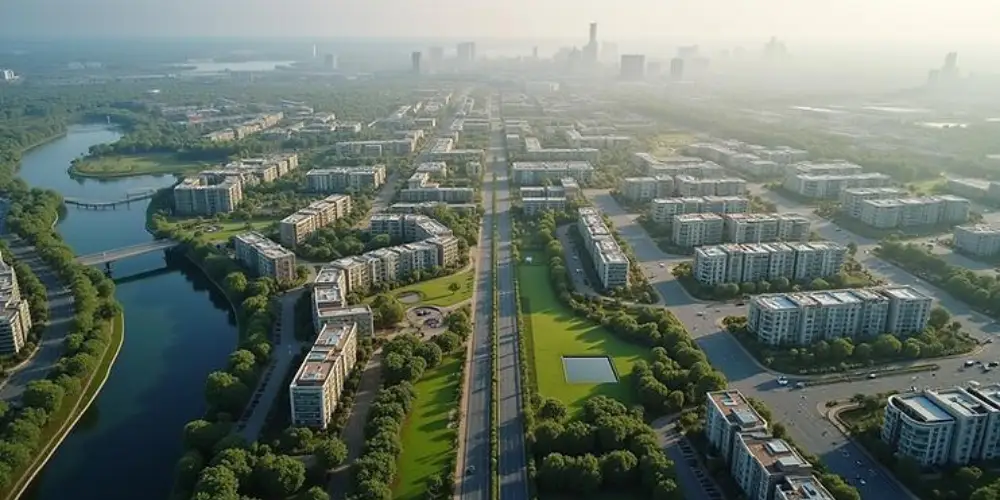
The Bhavnagar port is expected to significantly boost cargo handling capacity in this part of Gujarat. That has ripple effects across the economy.
First, more cargo capacity means faster turnaround for ships and less congestion at existing ports. Second, local businesses gain new opportunities as suppliers, transporters and service providers. Third, nearby towns such as Bhavnagar, Dholera and surrounding villages may see improved roads, utilities and public services.
Over time, this could strengthen the region’s position in global trade, logistics, manufacturing and employment, making Dholera a key hub for Western India’s economic growth.
What This Means for the Region’s Future
Infrastructure projects of this scale take years to complete. Bhavnagar Ports are built in phases, and full benefits often appear gradually. Still, the direction is clear.
With a semiconductor ecosystem, an international airport, an expressway, planned rail links and now a deep-sea port connection, Dholera is assembling the building blocks of a major industrial and trade city.
For anyone following India’s infrastructure story, the Dholera SIR Bhavnagar Port project is one to watch closely. It shows how planned cities, industrial corridors and port-led development can work together to shape the next phase of growth.
Frequently Asked Questions (FAQs)
It is a new deep-sea port being developed at Bhavnagar by the Government of Gujarat, planned to serve the Dholera Special Investment Region with trade and logistics access.
The project is estimated at around ₹3,400–4,500 crore.
The port is planned across roughly 580 hectares, which is about 1,200+ acres.
It will handle container cargo, bulk cargo, chemicals, petroleum products, LNG, LPG and other liquid cargo.
Plans include 3 international terminals and 2 new bulk cargo terminals for import and export.