
India’s ambition to become a global chipmaking hub is drawing interest from some of the world’s most established technology companies. The latest is Canon, a name most people link with cameras and printers.
The Japanese company now sees India’s growing semiconductor sector as a major business opportunity. It has opened discussions with the key players building chip facilities in the country, and it plans to set up local service centres to support them.
This move shows how India’s semiconductor story is shifting from policy announcements to real industrial partnerships.
Why Canon Is Turning Its Attention to Indian Chipmaking
Chip manufacturing has become one of India’s most talked-about industrial goals. Canon’s leadership in India says the company wants to be part of that journey from the early stages.
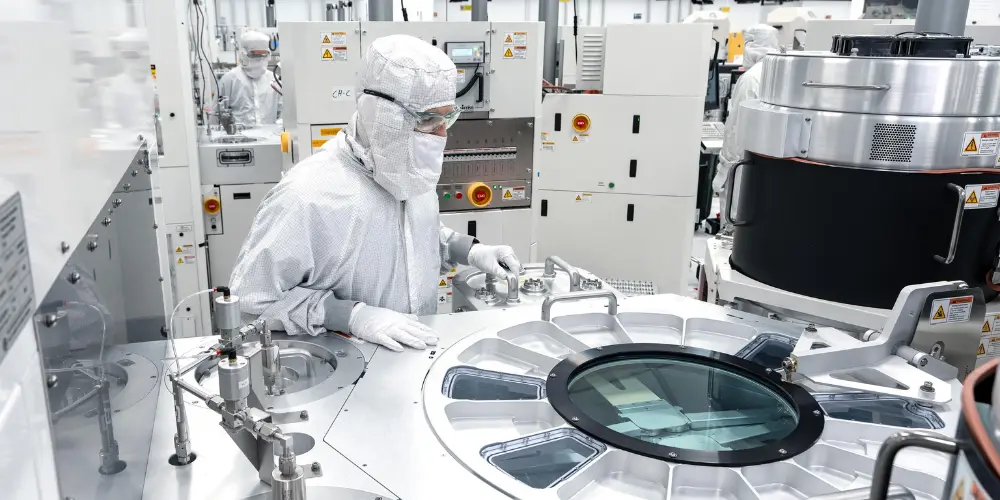
The reason is simple. Canon makes lithography machines, which are among the most critical tools in semiconductor production. These machines transfer detailed circuit patterns onto silicon wafers, a step without which no chip can be made.
As new fabrication and packaging units come up across the country, they will need reliable equipment and technical support. Canon wants to supply both.
Nomura, who heads Canon’s operations in India, described the semiconductor push as a strong opening for the company. He said Canon intends to bring its technology to India so that chipmakers can produce chips locally.
Talks Already Underway with Key Projects
Canon is not just watching from the sidelines. According to Nomura, the company has already held discussions with all the major semiconductor manufacturers setting up operations in India.
He did not reveal names or deal details. He said the projects are still in progress, and Canon will make announcements once developments are finalised.
This careful approach is common in the semiconductor sector. Equipment contracts are large, technically complex, and often take time to close. Still, early engagement gives Canon a strong position as these facilities move closer to production.
The plan to open local service centres is also significant. Lithography machines need regular calibration, maintenance and quick repairs. Having support teams close to the factories can reduce downtime, which is costly for any chip plant.
The Projects Shaping India’s Chip Landscape
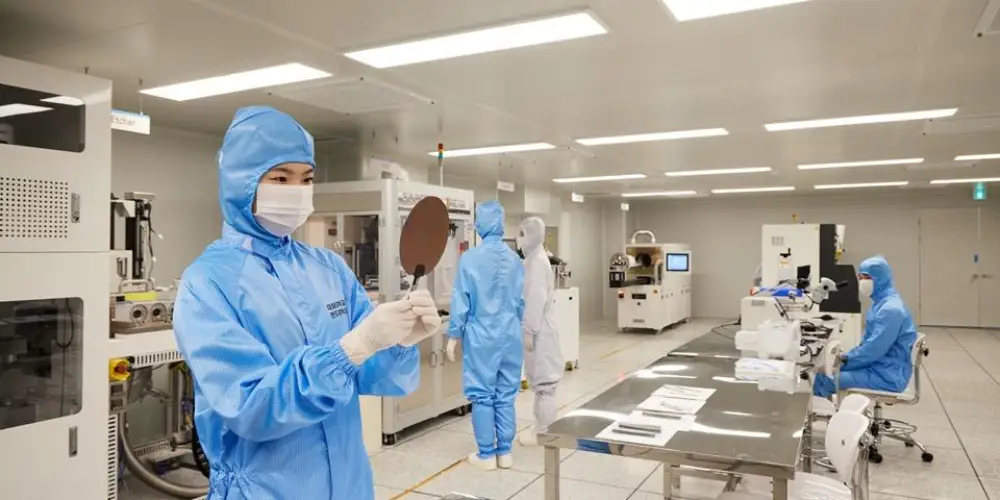
India has approved close to a dozen semiconductor projects under the India Semiconductor Mission. Together, they cover chip fabrication as well as assembly, testing and packaging.
Some of the most prominent ones include:
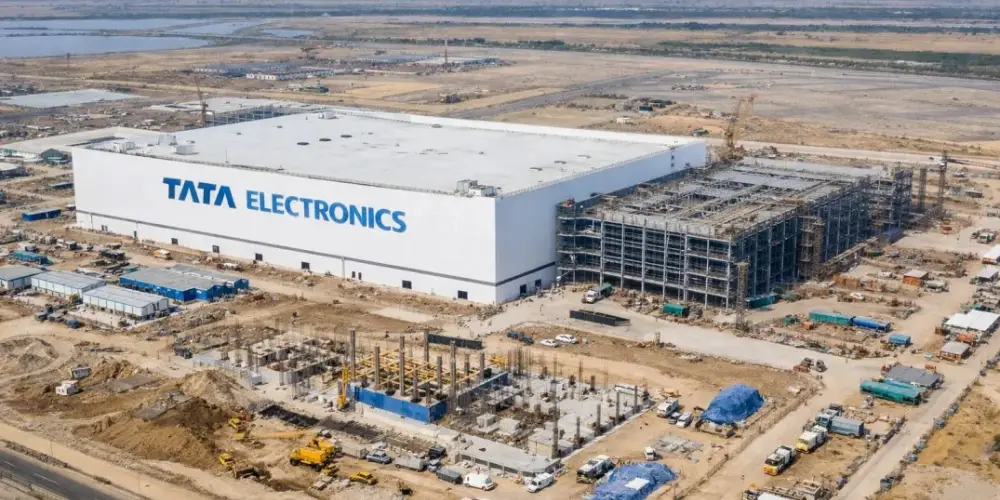
- Tata Electronics’ fab in Dholera, Gujarat – a flagship chip fabrication project
- Micron’s assembly and packaging unit in Sanand, Gujarat – a major investment from a global memory chip leader
- CG Power–Renesas project in Gujarat – a joint effort in assembly and testing
- Kaynes Semicon in Gujarat – another key player in the packaging space
- Tata Electronics’ packaging unit in Assam – expanding the industry beyond western India
Gujarat clearly stands out as the centre of this activity. However, the Assam project shows the government’s wish to spread semiconductor manufacturing across regions.
Each of these facilities represents a potential customer for equipment makers like Canon, whether for lithography tools or related services.
Can India Meet Its Semiconductor Timelines?
India has set ambitious deadlines for building its chip ecosystem. Many observers have questioned whether these targets are realistic, given how complex and capital-heavy chipmaking is.
Nomura took a hopeful view. He expressed strong faith in India’s capabilities, while noting that Canon cannot decide the pace. Timelines depend on the chip manufacturers themselves, he explained.
Even so, he expects results to arrive in the near future.
He also praised the work being done by the government and industry bodies. In his view, policymakers and stakeholders are putting in serious effort to build the supporting ecosystem, and he believes it will be ready soon.
This kind of confidence from a global equipment supplier matters. It signals that international firms see India’s semiconductor plans as credible, not just aspirational.
Canon’s Expanding Business Beyond Cameras
For decades, Canon’s identity has been built on imaging. Cameras, printers and copiers made it a household brand worldwide.
In recent years, however, the company has been widening its scope. It now has a growing presence in:
- Semiconductor equipment, including lithography systems
- Medical systems, such as diagnostic imaging
- Surveillance and security solutions
This diversification helps Canon reduce its reliance on consumer electronics, a market that has changed sharply with the rise of smartphones.
Nomura said Canon remains committed to bringing advanced technology to India. He added that the company aims to create more value for its customers as fresh growth opportunities appear across different industries.
India: A Priority Market for Canon
India is not just another market for Canon. The company treats it as one of its focus countries globally.
According to Nomura, Canon has been achieving double-digit growth in India year after year. That steady performance has strengthened its commitment to the country.
The growth is not limited to new sectors. Canon’s traditional businesses are also expanding quickly in India. These include:
- Digital cameras
- Printers and compact printers
- Multifunction copier devices
- Large production printing machines
A rising middle class, a booming content creation culture, and growing office and commercial printing needs have all helped these segments.
Adding semiconductor equipment to this mix could open a powerful new revenue stream for Canon in India.
What This Means for India’s Chip Ambitions
Building a semiconductor industry needs far more than factories. It requires a full supply chain of equipment makers, material suppliers, skilled engineers and service networks.
Canon’s interest fills an important part of that chain. Local service centres, in particular, could help Indian chip plants run more smoothly and reduce their dependence on overseas support.
It also sends a positive message to other global suppliers. When a major Japanese technology company commits to India’s chip sector, others may follow.
For India, every such partnership brings the country a step closer to its goal of becoming a trusted name in global semiconductor manufacturing.
Final Thoughts
Canon’s move into India’s semiconductor space reflects a wider trend. Global technology firms are starting to see India as a serious manufacturing destination, not just a large consumer market.
With talks already happening with key chip projects and plans for local service centres, Canon is positioning itself early. If India’s semiconductor projects deliver on their promise, the company could play a quiet but crucial role in the country’s chip success story.
Frequently Asked Questions
Canon makes lithography machines used in chip production and sees India’s new chip projects as a strong growth opportunity.
Not publicly yet. Canon has held talks with major projects and will share details once developments are confirmed.
It is equipment that prints tiny circuit patterns onto silicon wafers, a core step in making semiconductor chips.
They allow faster maintenance and repairs, helping chip plants avoid costly production delays.
Key ones include Tata Electronics’ fab in Dholera, Micron’s unit in Sanand, CG Power–Renesas and Kaynes Semicon in Gujarat, and Tata’s packaging unit in Assam.