The lights went down on Glasgow’s OVO Hydro and with them ended the 23rd Commonwealth Games. Eleven days, ten sports, 74 nations and territories — and one flag that changed hands. Scotland’s hosting duties are done. India’s begin. Here’s how the Games closed, what India took home, and why Ahmedabad 2030 is not an ordinary edition.
1. A Handover That Belonged to India
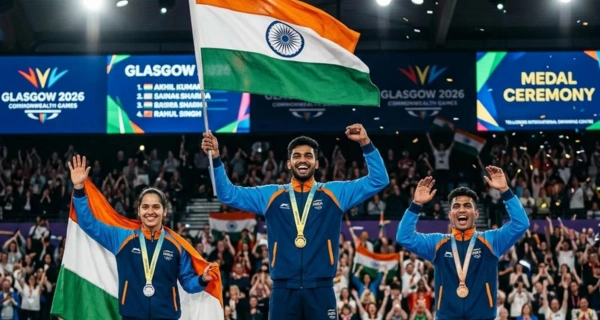
The formal moment came when the Commonwealth Flag passed from Glasgow to India, witnessed by Olympic javelin champion Neeraj Chopra and Indian Olympic Association president PT Usha. What followed was pure spectacle: an 18-minute cultural presentation led by Shankar Mahadevan and Manushi Chhillar, opening with Vande Mataram and built around the theme Vasudhaiva Kutumbakam — the world is one family. Prince Edward, Duke of Edinburgh, then declared the Games closed and invited the Commonwealth to reconvene in Ahmedabad in four years.
2. India’s Final Ledger: 39 Medals, Fourth Place
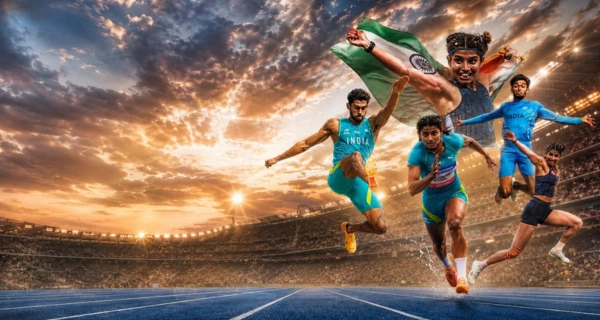
India finished fourth overall with 39 medals — 13 gold, 17 silver, nine bronze. The context makes that number better than it looks. Glasgow ran a slimmed-down, ten-sport programme that cut wrestling, shooting, badminton, table tennis and hockey, five disciplines that have historically filled India’s cabinet. With those gone, a 122-strong contingent still matched India’s fourth-place finishes from Manchester 2002, Melbourne 2006 and Birmingham 2022, edging hosts Scotland on silver count after both tied on 13 golds.
3. Boxing Carried the Campaign
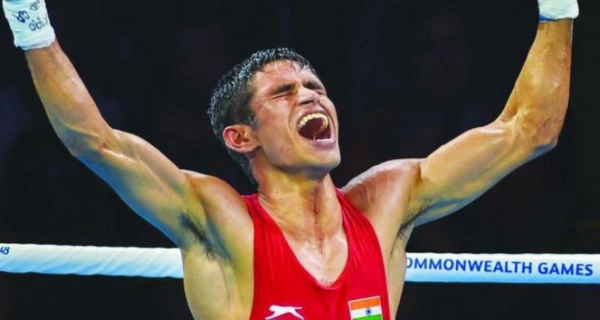
If one sport defined India’s Glasgow, it was boxing. Indian boxers returned with ten medals — seven gold and three silver — the most golds any nation has won in the sport at a single Commonwealth Games. Preeti Pawar, Jaismine Lamboria, Sakshi Chaudhary, Priya Ghanghas, Arundhati Choudhary, Sachin Siwach and Ankush Panghal all reached the top step, while Olympic medallist Lovlina Borgohain added silver. India topped the boxing medal table outright — a result that reframes the sport as the country’s most dependable multi-sport asset.
4. Chanu’s Hat-Trick and a Judo Breakthrough
Weightlifting delivered eight medals, headlined by Mirabai Chanu completing a hat-trick of Commonwealth titles — only the second Indian to win gold at three successive editions. Judo produced the quieter shock: four medals including India’s first-ever Commonwealth judo golds, two of them. On the track, Tejaswin Shankar’s decathlon bronze and Gulveer Singh’s two distance medals helped athletics to ten medals, though all were silver or bronze.
5. The Para Athletes Rewrote Their Own Record
India’s best-ever Commonwealth para campaign happened here. Seven medals — three gold, two silver, two bronze — matched the country’s combined para haul from every previous edition put together. Para athletics accounted for six of them, ending a 20-year wait for an Indian para athletics podium at the Games, with double podium finishes in the men’s 100m T47 and both shot put F57 events. Para powerlifting added a bronze.
6. Australia Set the Bar, and It Is High
Australia finished top with 70 golds and 171 medals — more golds than England, Scotland, Wales and Northern Ireland combined. England took second with 29 golds and 110 medals; Canada third with 62. Elsewhere, South Africa’s Chad le Clos became the most decorated athlete in Commonwealth Games history with his 21st medal, and 76-year-old Louise Hoskins became the oldest gold medallist ever, winning para-bowls pairs.
7. Ahmedabad 2030: A Centenary, and a Statement
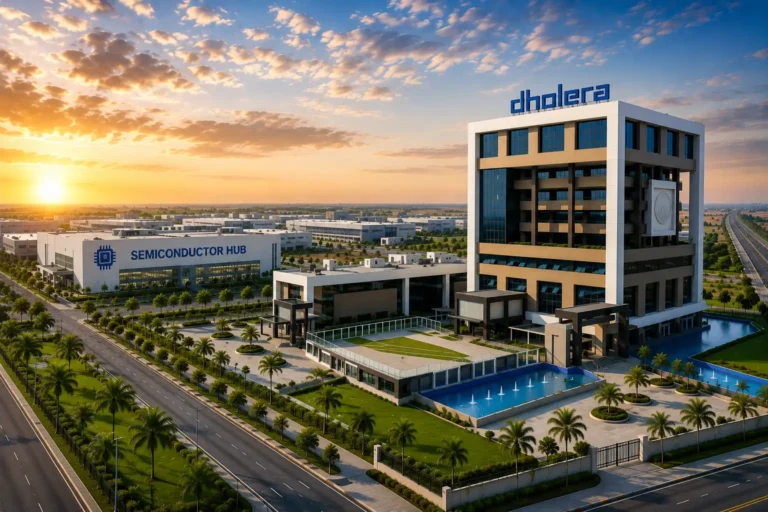
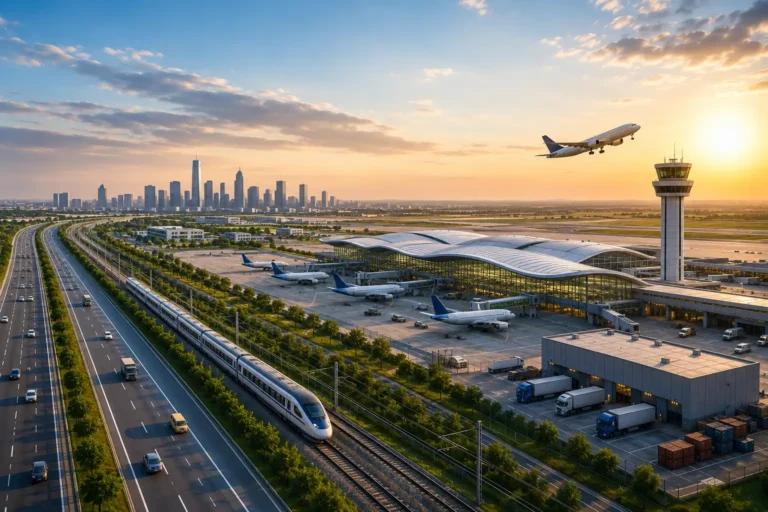
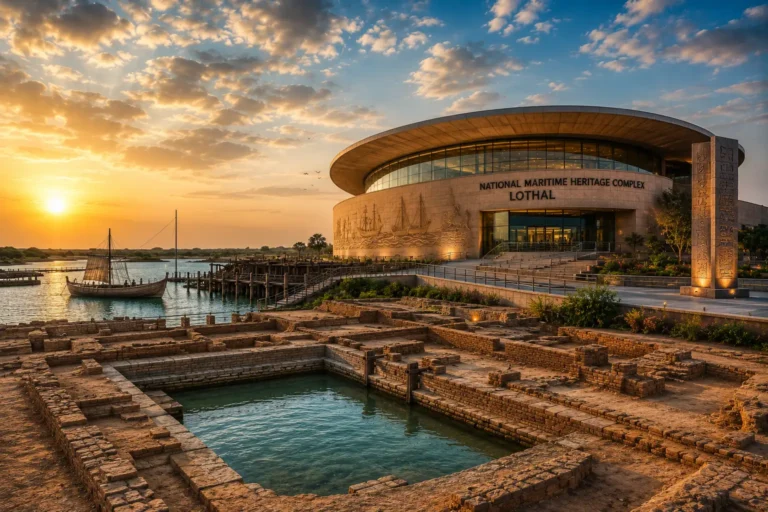
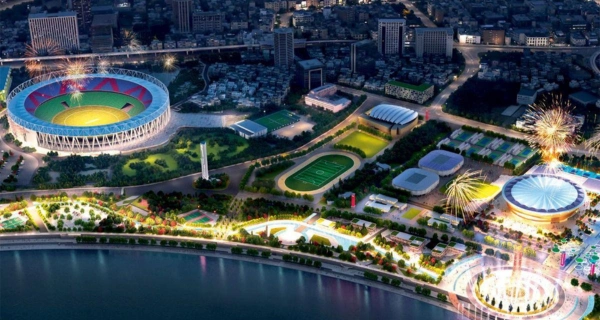
The 2030 Games mark 100 years of the Commonwealth movement, and India will host for only the second time after Delhi 2010. Commonwealth Sport has indicated a 15–17 sport programme, with the full list confirmed next year — a wider slate than Glasgow’s ten, which should suit India. The subtext is unmistakable: Ahmedabad is central to India’s bid for the 2036 Summer Olympics, and 2030 is the audition.
What It Adds Up To
Thirty-nine medals from a stripped-back programme is a solid, unspectacular return with two genuinely outstanding stories inside it — the boxers and the para athletes. The bigger takeaway is the calendar. India now has a four-year runway to a home Games, with the Asian Games in between. Ahmedabad 2030 will be judged less on medals than on whether India can stage a Games convincing enough to earn a far bigger one six years later.
Glasgow, Scotland, from 23 July to 2 August 2026 — the 23rd edition, with the closing ceremony on 3 August.
Fourth overall, with 39 medals: 13 gold, 17 silver and nine bronze.