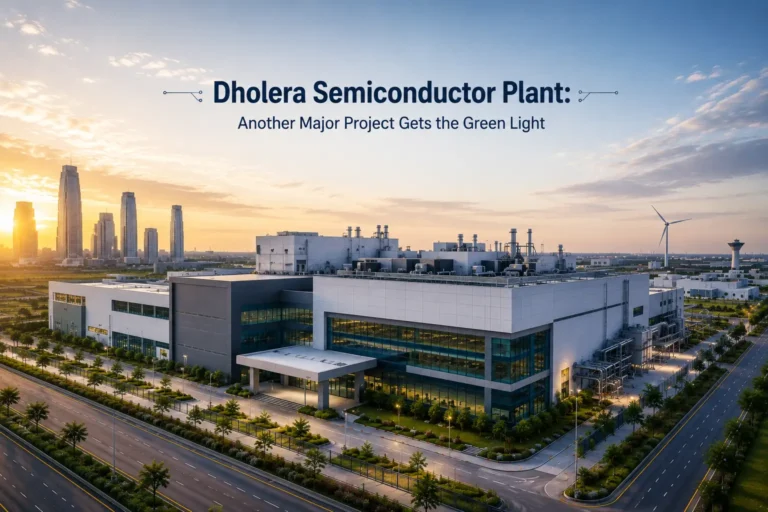
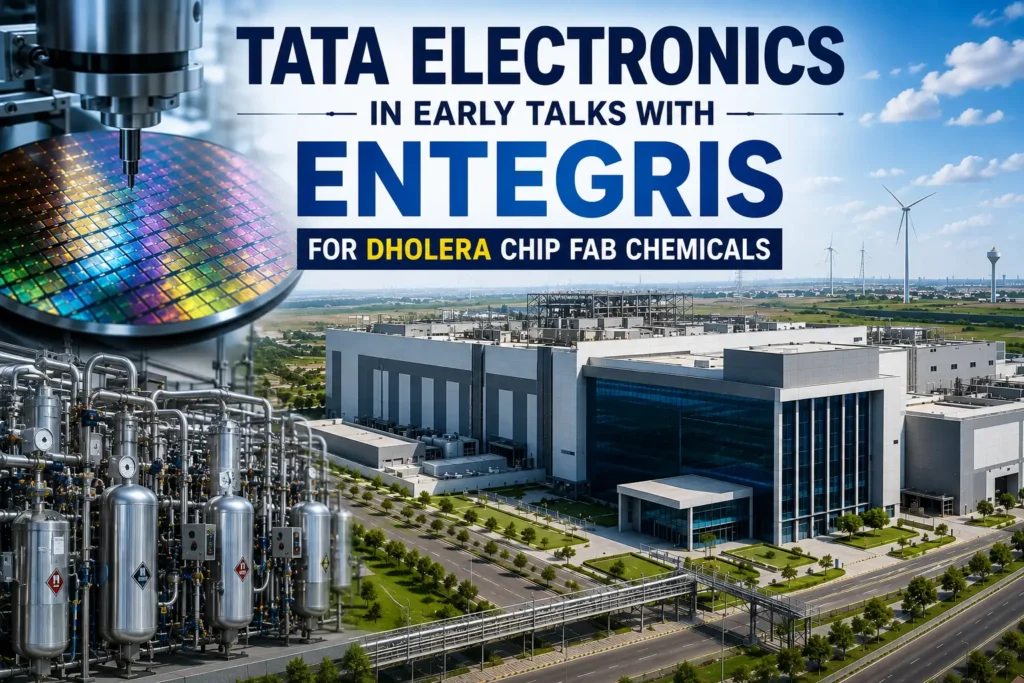
Tata Electronics is reportedly in exploratory discussions with US-based materials science company Entegris to secure specialty chemicals and process solutions for its upcoming semiconductor fabrication plant in Dholera, Gujarat. The talks are still at a preliminary stage, and neither company has confirmed the development publicly.
Who Is Entegris and Why Does It Matter?
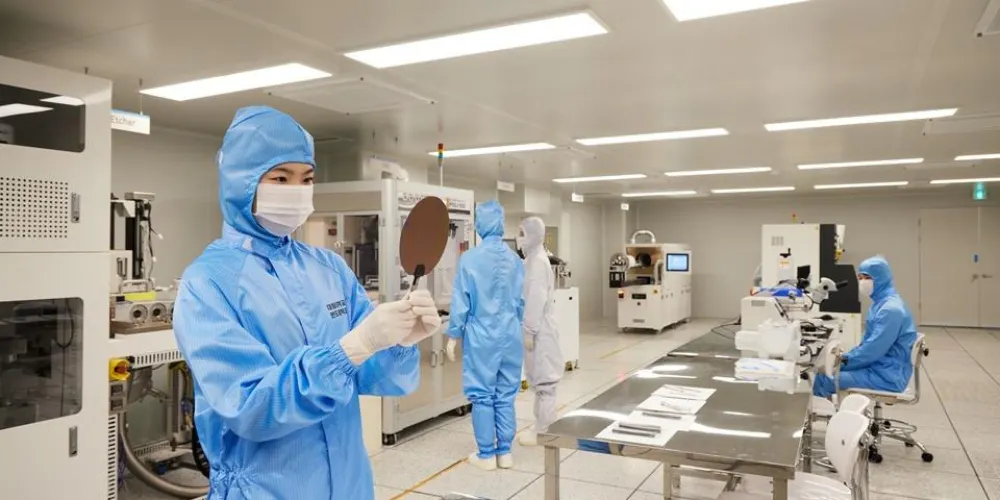
Headquartered in Billerica, Massachusetts, Entegris supplies advanced materials and process solutions to the semiconductor industry and other high-tech manufacturing sectors. Its core focus areas include:
- Micro-contamination control
- Critical materials handling
- Advanced process solutions
In simple terms, Entegris does not make chips — it makes sure everything that touches a chip during manufacturing is clean enough not to ruin it.
Why Purity Is Everything Inside a Fab
Modern chipmaking happens at nanometre scale, where a single stray particle can destroy an entire wafer. That is why fabs obsess over ultra-pure chemicals, gases and filtration systems.
Bulk chemicals and gases typically come from suppliers such as Merck, Linde and Entegris. But those raw inputs cannot be pumped straight into a wafer line. They must first be filtered, controlled, dispensed and delivered safely — the layer where Entegris and peers like Camfil, Swagelok, Danaher and Brooks Automation operate.
What Entegris Actually Supplies
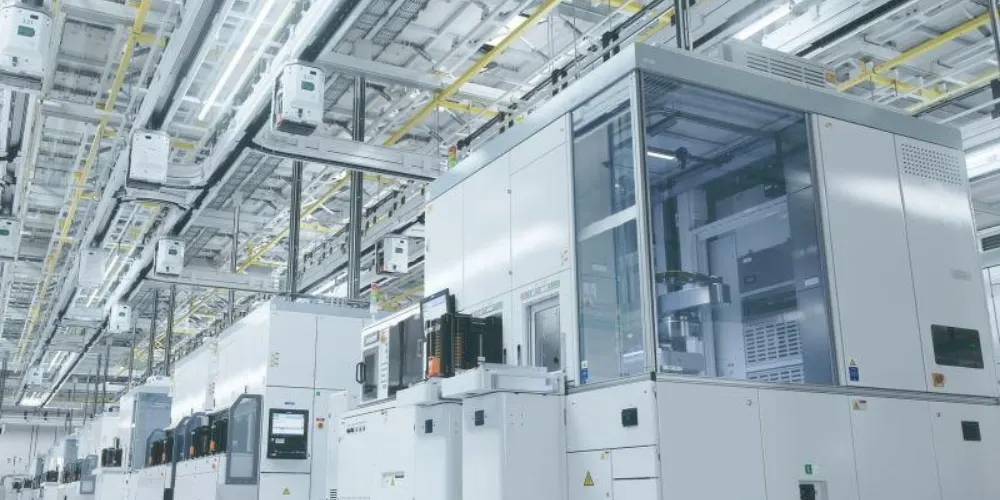
According to industry descriptions of the company’s portfolio, its offerings span:
- Filters that purify process gases, fluids and the ambient fab environment
- Liquid systems that dispense, control, analyse or transport process fluids
- Gas delivery systems that safely store and deliver toxic gases
- Materials used in chemical vapour deposition and atomic layer deposition processes
Where It Sits in the Supply Chain
Analysts describe Entegris as occupying the critical materials and contamination-control layer of the chip supply chain. That places it:
- Downstream of bulk chemical and gas producers
- Upstream of the finished wafer
- Adjacent to, but separate from, equipment makers such as ASML, Applied Materials and Tokyo Electron
Neil Shah, vice president of research at Counterpoint Research, has explained that materials need to be integrated safely and purely before they can be used in expensive wafer fab equipment.
Talks Are Exploratory, Not Final
People aware of the matter indicate Tata Electronics is speaking with several players across the specialty chemicals and gases space, at varying stages of maturity. Entegris is one name in that mix — not a confirmed partner.
Queries sent to both Tata Electronics and Entegris reportedly went unanswered.
Merck Is Still the Only Signed Partner
So far, the only chemicals partnership Tata Electronics has formally announced in this segment is with German chemicals major Merck. A second supplier relationship would help diversify sourcing and reduce dependence on any single vendor — a common risk-management practice for a first-time fab operator.
Why This Matters for India’s Chip Ambitions
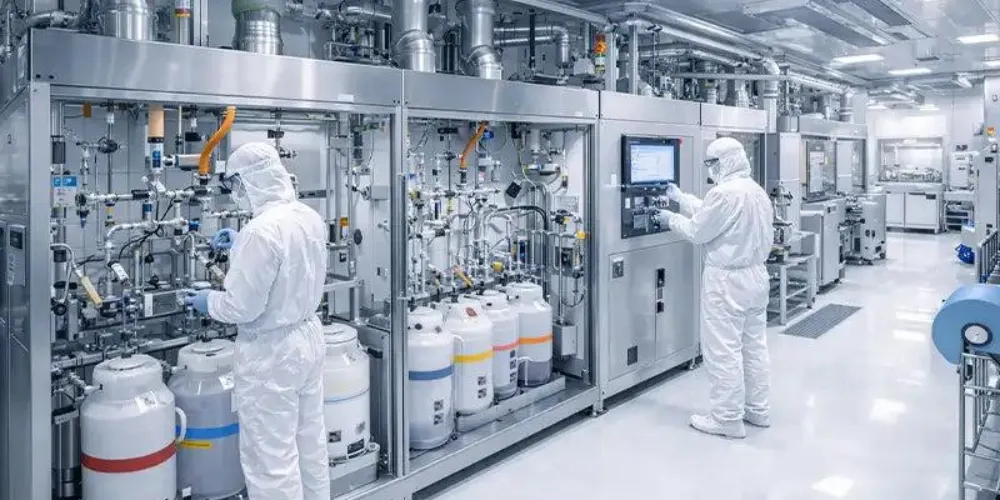
The Dholera fab is one of the most closely watched projects under India’s semiconductor mission. Building the plant is only part of the challenge; running it depends on a reliable ecosystem of materials, gases, filtration and handling systems.
Key implications:
- Supplier tie-ups signal how close the fab is to operational readiness
- Global materials firms gaining India exposure could pull their own supply chains here
- Local availability of ultra-pure inputs remains a long-term bottleneck to solve
What to Watch Next
Watch for formal announcements on chemical and gas partners, equipment order confirmations, and any move by suppliers to set up India-based facilities. Those signals will say more about the fab’s timeline than construction updates alone.
FAQs
A semiconductor fabrication plant, part of India’s push to manufacture chips domestically.
No. Reports describe the discussions as exploratory, with no confirmation from either company.
Filtration systems, liquid and gas delivery solutions, and materials used in deposition processes for chip manufacturing.
Merck, the German chemicals company, is the only confirmed partner in this space so far.