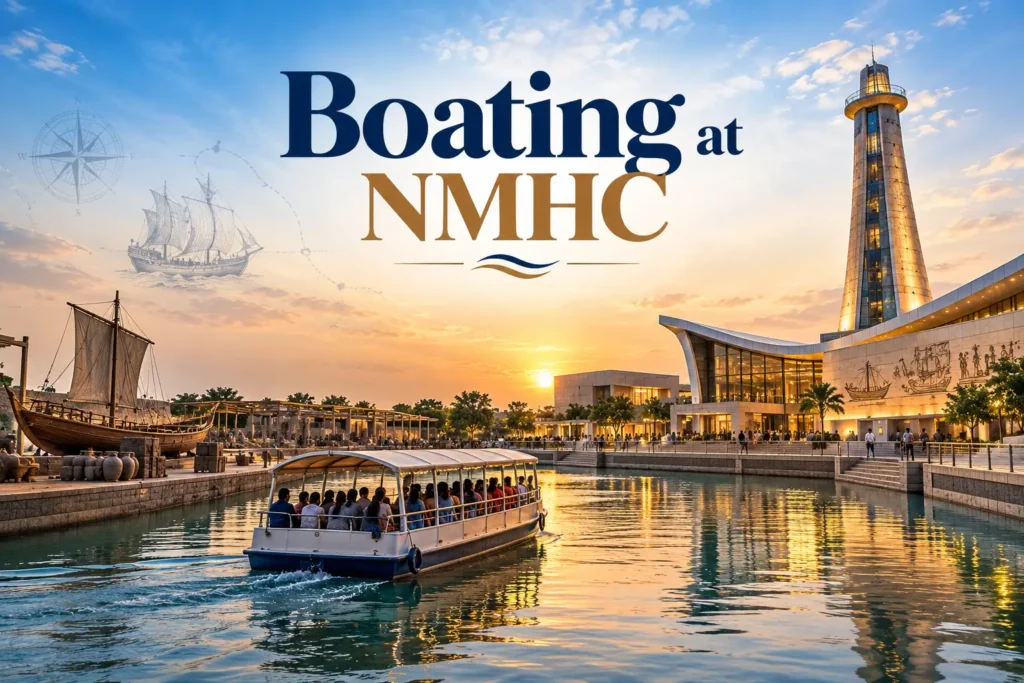
Some history lessons happen in classrooms. Others happen on the water.
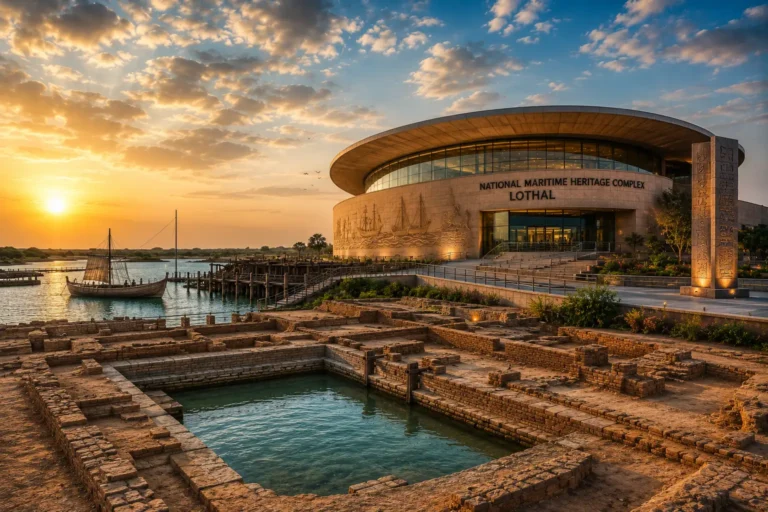
Boating at NMHC, the National Maritime Heritage Complex near Lothal in Gujarat, belongs firmly to the second kind. It turns a simple boat ride into a slow, scenic journey through thousands of years of Indian seafaring.
If you have ever wondered how a civilisation without engines or satellites managed to trade across oceans, this is a good place to start finding answers.
Why Lothal Is the Perfect Setting
Location matters, and NMHC could hardly have picked a better one.
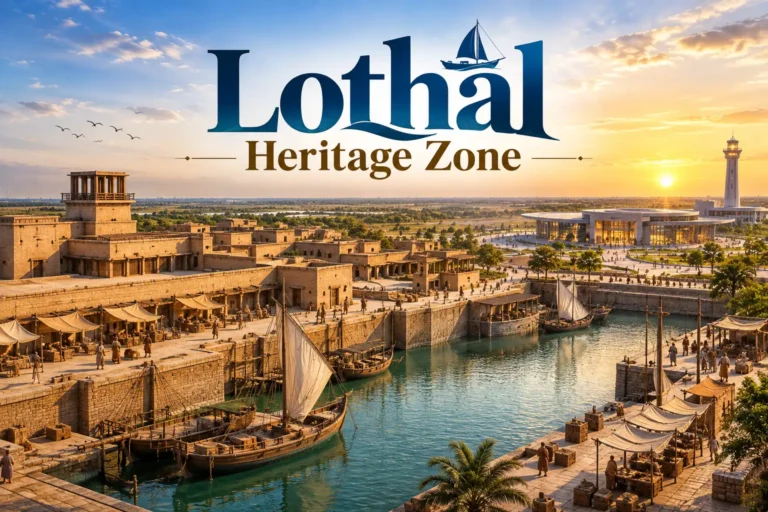
Lothal was a thriving port city of the Harappan Civilisation more than 4,000 years ago. Archaeologists have identified a large basin here that many believe served as one of the world’s earliest known dockyards.
Ships from Lothal are thought to have carried beads, cotton and other goods to distant lands, including Mesopotamia. So when you step onto a boat at NMHC, you are floating close to the very spot where Indian maritime trade took some of its first confident strides.
That connection gives the ride a depth that no ordinary lake cruise can match.
What the Boat Ride Actually Offers
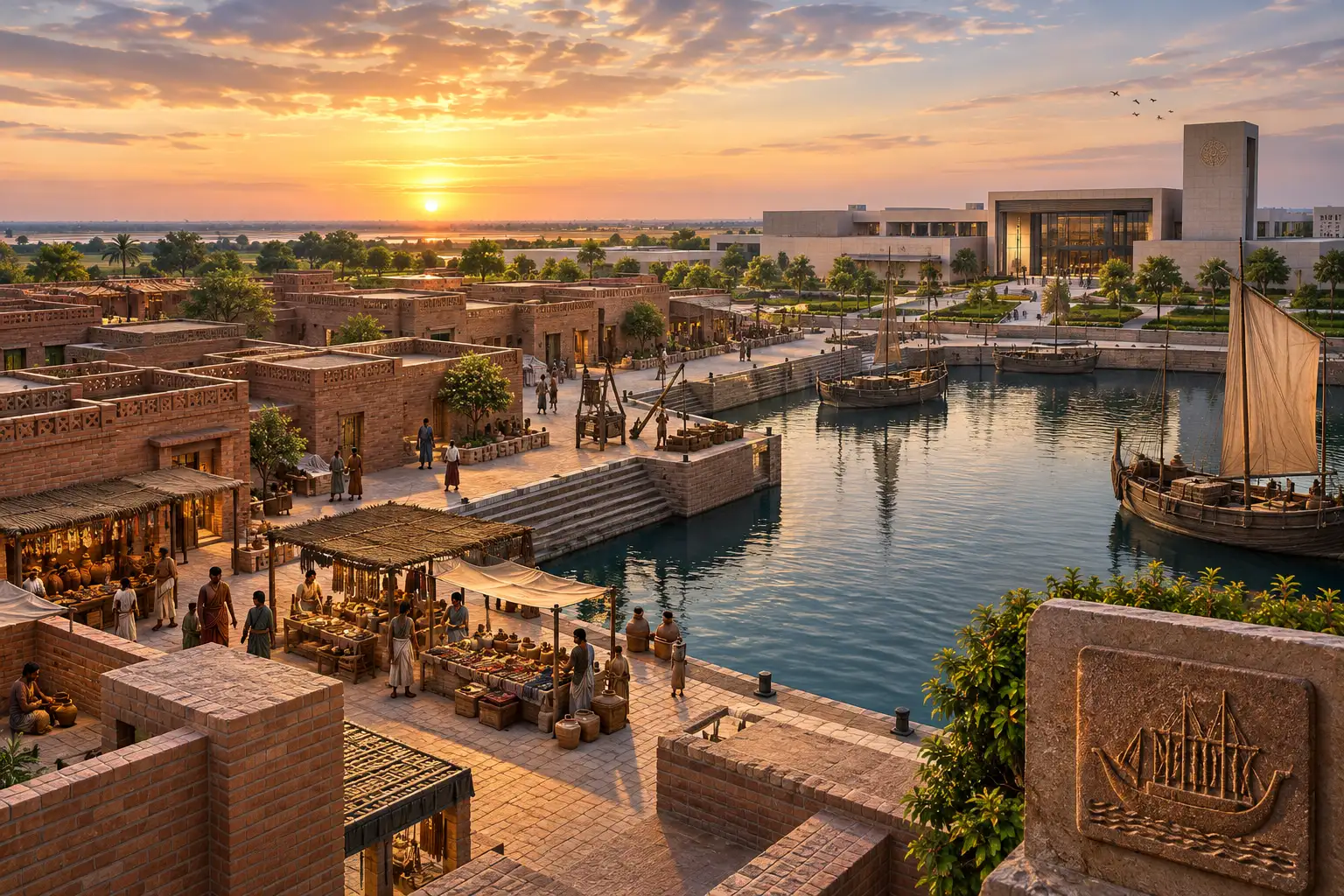
At first glance, it feels like a calm, pleasant outing. Gentle water, open skies, a steady breeze.
But the experience is designed to do more than relax you. As the boat moves along, the story of India’s relationship with the sea unfolds around you.
Here is what you can expect to explore during the journey:
- Ancient trade routes that linked Indian coasts with Arabia, Africa and Southeast Asia
- Historic ports such as Lothal, Muziris, Tamralipti and others that shaped regional economies
- Shipbuilding traditions, from early stitched boats to the sturdy wooden vessels of later centuries
- The role of waterways in spreading goods, languages, religions and ideas
Audio guides and visual displays accompany the ride, so the narrative stays engaging without feeling like a lecture.
Learning Without the Textbook Feel
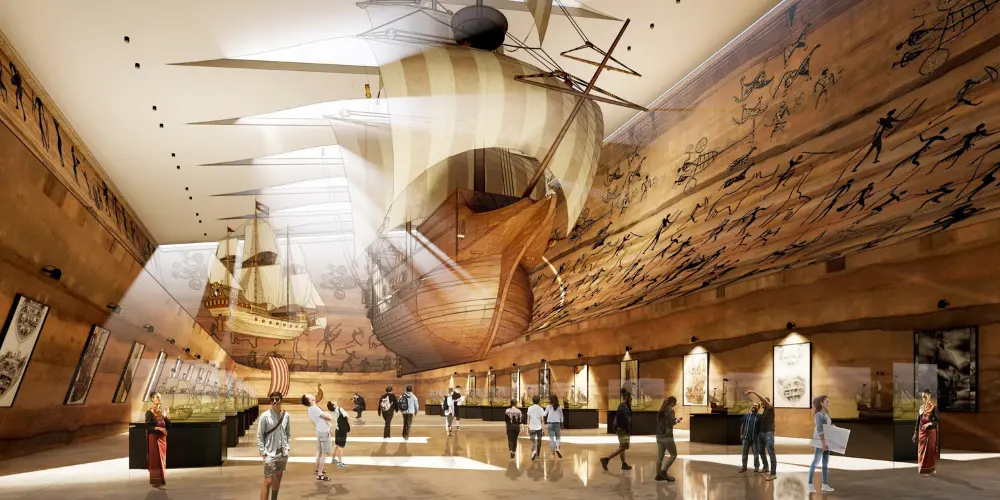
Many people switch off when history is served as dates and names. The boating experience avoids that trap.
Instead of memorising facts, visitors absorb them through sound, sight and setting. Hearing about monsoon winds while feeling the breeze on your face makes the idea far easier to grasp.
Children tend to remember what they experience rather than what they read. Adults, too, often find that a story told on the water sticks longer than one told on a page.
This is learning by immersion, and it works quietly but well.
Who Will Enjoy It Most
The beauty of this activity is its wide appeal. It does not demand prior knowledge or physical effort.
Families get a shared outing that entertains younger kids and interests older members at the same time.
Students and school groups gain a practical, memorable supplement to their history and geography lessons.
History enthusiasts can connect the dots between archaeology, trade and navigation in one place.
Casual travellers looking for a peaceful break from busy sightseeing will find the ride soothing and scenic.
Photographers can enjoy open water views and changing light, especially in the early morning or late afternoon.
In short, whether you arrive curious or simply tired, the boat ride meets you where you are.
Tips to Make the Most of Your Ride
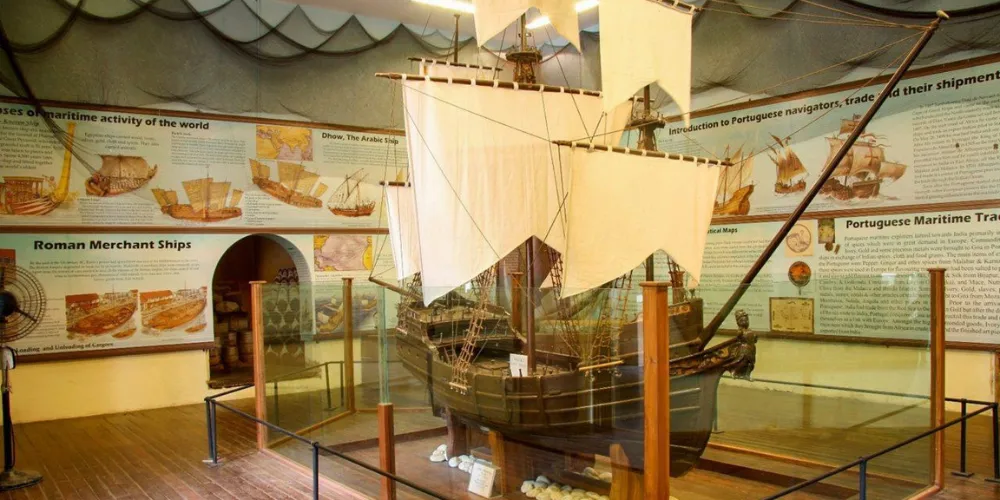
A little planning can turn a good visit into a great one.
Go early or late. Gujarat can get warm during the day. Softer light and cooler air make mornings and evenings more comfortable.
Listen closely to the audio guide. Much of the value lies in the narration, so keep distractions low.
Pair it with the galleries. Visiting the museum sections before or after the ride helps you link what you hear on the water with artefacts and models on land.
Carry the basics. Sunscreen, a hat, water and comfortable footwear go a long way.
Check official updates. Timings, ticket prices and availability can change, so confirm details on the official NMHC channels before you travel.
More Than a Ride: A Reminder of Who We Were
India’s story is often told through forts, temples and empires. Its maritime chapter is less celebrated, yet it is just as rich.
For centuries, Indian sailors understood monsoon patterns, built ocean-worthy vessels and traded with civilisations far beyond the horizon. Coastal towns grew into cultural crossroads because of the sea.
Boating at NMHC brings that forgotten confidence back into view. It reminds visitors that India was not only a land power but also a seafaring nation with global connections.
And it does so gently, with the water doing half the storytelling.
Final Thoughts
Boating at NMHC offers a rare balance. It is restful enough to feel like a break and meaningful enough to leave you thinking long after you step ashore.
You come for the calm waters. You leave with a fresh appreciation for the sailors, shipbuilders and traders who shaped India’s past.
If Lothal is on your travel list, make sure this voyage is on it too.
Frequently Asked Questions
NMHC stands for the National Maritime Heritage Complex, a heritage and tourism project near Lothal, Gujarat, dedicated to India’s maritime history.
It combines a relaxing ride with guided storytelling about ancient ports, trade routes and shipbuilding.
Yes. The calm pace and visual storytelling make it enjoyable and educational for kids.
Yes, audio guides and visual displays help explain the history as you travel.
Duration may vary, so it is best to check with NMHC officials or the official website before visiting.